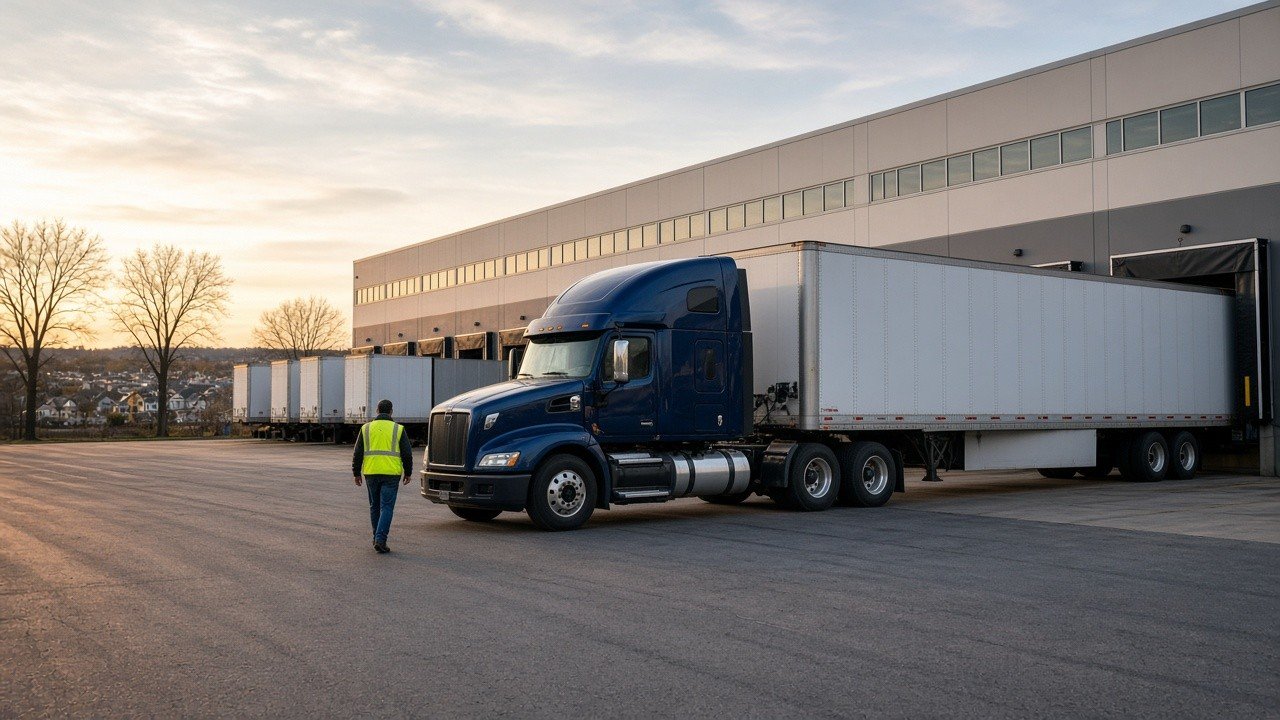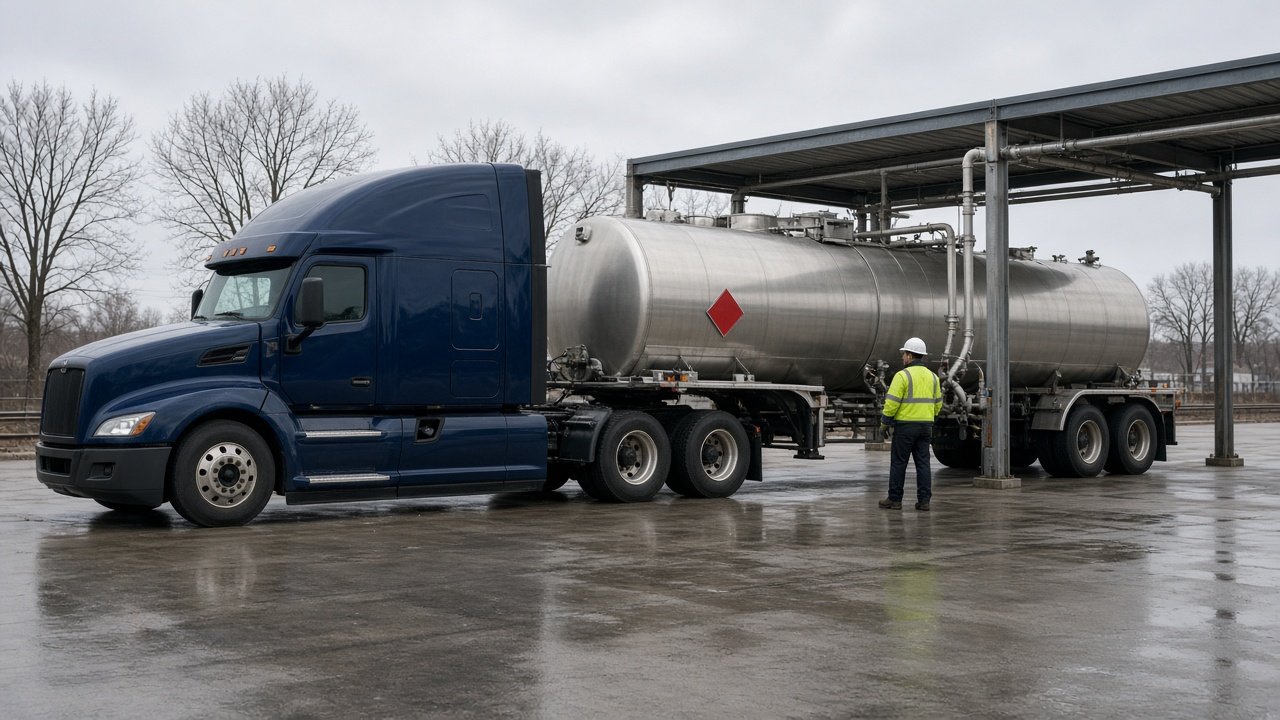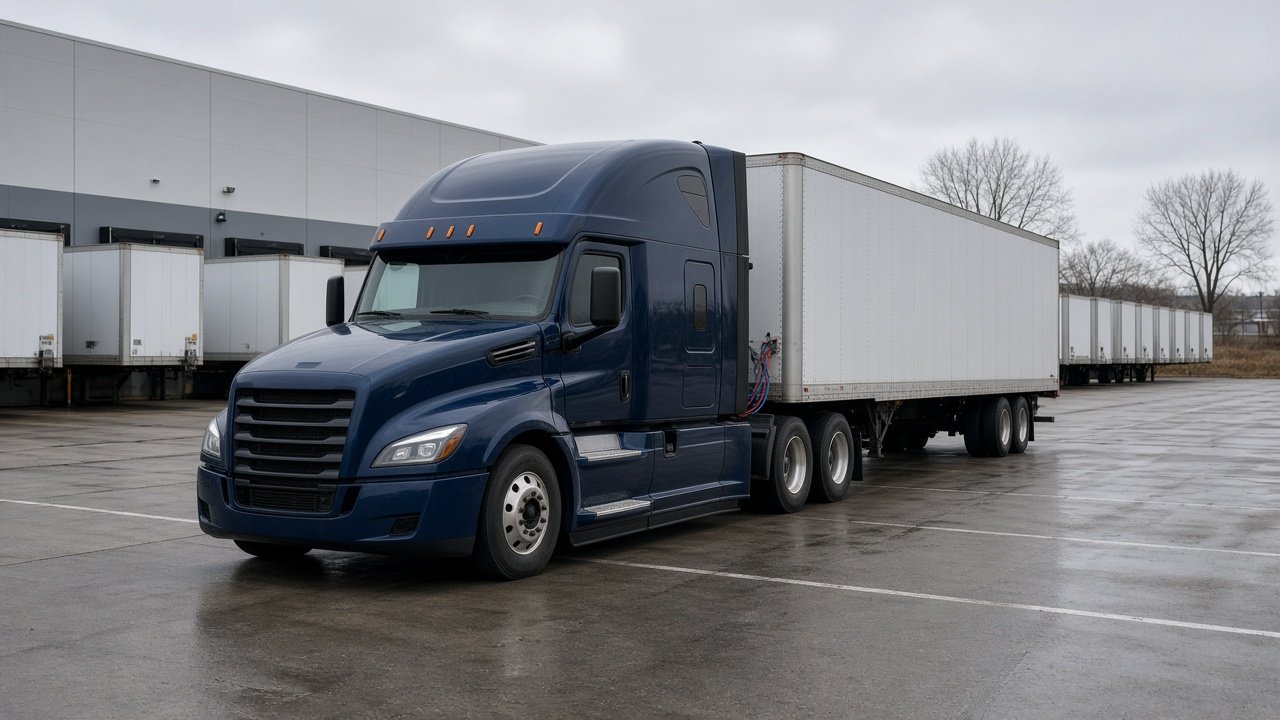
Power only trucking means you supply the tractor and yourself, and someone else supplies the trailer: a carrier, broker, shipper or leasing company. You hook to a preloaded trailer, haul it, drop it and go. For CDL-A owner-operators that can mean no trailer payment, no trailer maintenance and lots of drop and hook, but you still need the right authority or lease, trailer interchange insurance, and a solid pre-trip on equipment you've never seen. Searches for "power only trucking companies" broke out on Google Trends this month, so here is what working drivers should know before running power only, as of November 2026.
What is power only trucking?
In a normal owner-operator setup, you run your own tractor and your own (or leased) trailer. In power only, the trailer belongs to someone else. Common examples:
- Drop trailer pools. Shippers keep trailers at the dock, load them on their schedule, and need a tractor to move them.
- Trailer relocation. Empty or loaded trailers moved between yards, terminals or leasing lots.
- Broker and load board power-only freight. Many load boards list power only as its own equipment type.
- Towaway and specialty moves. Moving new or used trailers for dealers or leasing companies.
The work is mostly drop and hook, so you spend less time at the dock waiting on a live load. You trade that for less control over the equipment you pull.
Can you run power only under your own authority or do you lease on?
Both models exist:
- Lease on to a power-only carrier. You run under the carrier's authority, usually for a percentage of linehaul plus fuel surcharge. The carrier's insurance covers the public liability, and you handle your tractor costs. Your lease must follow 49 CFR 376.12: pay stated up front, payment within 15 days of submitting paperwork, every chargeback spelled out, and escrow rules in writing. Our guide to owner-operator lease agreements walks through what to check.
- Your own authority. You book power-only loads from brokers, shippers and load boards and get paid by the load. You carry your own liability, cargo and trailer coverage, and many brokers and programs want your authority to be several months old before they'll tender loads. See how to get your own MC authority.
If you're new to running your own truck, leasing on first lets you learn the freight without carrying the whole insurance and compliance load.
How do power only trucking companies pay?
Pay structures vary, so read the offer line by line. On a lease, ask:
- What percentage of linehaul do I get, and do I get 100% of the fuel surcharge? (See fuel surcharge explained.)
- Is deadhead paid? Power-only freight often means bobtailing or running empty to the next trailer pool.
- Who pays tolls, permits, base plates and fuel taxes? 49 CFR 376.12 requires the lease to say who pays each of these.
- Is there detention or a truck ordered not used (TONU) fee if the trailer isn't ready? Our TONU guide explains how that works.
- Is dispatch forced, or can you turn loads down?
On your own authority, you negotiate each rate. Power-only rates should reflect that you aren't providing a trailer, but they still need to cover your truck's full cost per mile.
Worked example: is a power-only load worth it? (hypothetical)
Say you're leased on at 70% of linehaul plus 100% of fuel surcharge. A load pays $2,200 linehaul and $700 fuel surcharge for 1,000 loaded miles, and you bobtail 100 unpaid miles to pick up the trailer.
- Your linehaul: $2,200 x 0.70 = $1,540
- Plus fuel surcharge: $1,540 + $700 = $2,240 gross
- Total miles: 1,000 + 100 = 1,100
- Fuel at 6.5 mpg: 1,100 / 6.5 = about 169 gallons x $5.80 = about $981 (the national diesel average was $5.818 on November 23, 2026)
- Other truck costs (payment, insurance, maintenance, tires) at a hypothetical $0.70 per mile: 1,100 x $0.70 = $770
- What's left for you: $2,240 - $981 - $770 = about $489, or about $0.44 per total mile
These numbers are examples only. Plug in your own cost per mile and current fuel prices from our diesel prices page. If the deadhead had been 300 miles, the same load would leave you much less, so always count the empty miles.
What insurance do you need for power only?
The big difference from regular owner-operator coverage is the trailer. Because you're responsible for a trailer you don't own while it's hooked to your truck, power-only shippers and brokers often require trailer interchange or non-owned trailer physical damage coverage, and the required amount varies by program. If you run your own authority, the federal minimum public liability for general freight is $750,000 under 49 CFR 387.9, but many brokers and power-only programs ask for $1 million plus cargo coverage. If you lease on, the lease has to say which insurance the carrier provides and what it charges back to you, including bobtail coverage, per 49 CFR 376.12. Our post on commercial truck insurance for owner-operators covers the basics. This is general information; ask a licensed insurance agent about your own coverage.
What should you check on a trailer you don't own?
You're the one rolling down the road with it, and the roadside inspection lands on your record. Before driving, 49 CFR 396.13 says you must be satisfied the vehicle is in safe operating condition. Under 49 CFR 396.17, each trailer in a combination must have passed a periodic inspection in the last 12 months, with documentation on the vehicle. On every hook:
- Find the annual inspection sticker or report and check the date. See our annual DOT inspection guide.
- Check tires, brakes and slack adjusters, lights, mud flaps, landing gear and the kingpin and apron.
- Check registration and plate are current.
- Take dated photos of all four sides, the tires and any damage before you leave the yard, and note damage on the paperwork.
- Get the seal number on the bills and confirm it matches the seal on the doors.
Do you have to check cargo on a sealed power-only load?
Not if you were ordered not to open it. Under 49 CFR 392.9, the usual cargo checks within the first 50 miles and every 3 hours or 150 miles don't apply to a driver of a sealed trailer who has been told not to open it. And 49 CFR 376.12 says when a trailer is preloaded and sealed or otherwise outside your control, the carrier, not you, takes the risk of overweight fines unless the violation came from your own acts. Still, scale the load when you can, and call dispatch before you run if the axles are over.
Common mistakes
- Skipping the walk-around on a "ready" trailer. Flat tires, bad lights and expired inspections are common in drop yards.
- No photos at pickup. Without them, prior damage can end up charged to you.
- Ignoring deadhead. A good-looking rate can turn bad once you count empty miles to the trailer pool.
- Not matching your coverage to the program. Trailer interchange amounts differ, and a gap can cost you the full value of a trailer.
- Signing a lease without the chargeback list. Every deduction should be in writing before your first load.
Frequently asked questions
Do I need my own trailer for power only?
No. That's the point of power only: the carrier, broker or shipper supplies the trailer and you supply the tractor.
Is power only good for new owner-operators?
It can be, because you avoid a trailer payment. Leasing on to a power-only carrier is usually simpler than starting with your own authority.
What is trailer interchange insurance?
Coverage for physical damage to a trailer you don't own while it's in your care under a trailer interchange agreement. Many power-only programs require it.
Can I run power only as a company driver?
Company drivers pull company or customer trailers all the time, but "power only" usually refers to owner-operators supplying the tractor. If you'd rather stay a company driver, browse CDL-A jobs or get matched with a carrier.
Know a CDL-A driver or owner-operator looking for a better spot? Refer them to us and earn $500. Refer a driver here.
Free for CDL-A drivers: get our Job Offer Checklist — 23 questions to ask any carrier about pay, miles and home time before you sign. Download the free checklist →
Know a CDL-A driver looking for work? Refer them and earn $500 when they complete 30 days on the road. Refer a driver →
CDL Transportation Group | CDL-A OTR Driver Recruiting