To get your own MC authority in 2026, you register your company in FMCSA's new Motus system, apply for a USDOT number and for-hire motor carrier operating authority (a $300 filing fee per authority type, as of November 2026), then have your insurer file at least $750,000 in liability coverage and file a BOC-3 process agent designation. After a 10-day protest period, the authority goes active. Expect roughly 20 to 25 business days if nothing gets flagged, and longer if FMCSA reviews your application more closely.
This guide is for experienced CDL-A drivers who already know the job and want to understand what running under their own authority really takes, step by step, before spending a dollar.
What is MC authority, and do you actually need it?
Your USDOT number identifies you as a motor carrier. Your operating authority (the "MC number," or docket number) is what lets you haul regulated freight owned by someone else, for pay, across state lines. According to FMCSA, you generally need both if you run for-hire interstate freight.
You may not need your own authority if you:
- Lease your truck onto a carrier and run under that carrier's authority and insurance.
- Haul only exempt commodities (cargo that isn't federally regulated).
- Run only within an exempt federally designated commercial zone.
For most drivers, the real choice is between leasing on and getting their own authority. If you're still weighing that move, read our company driver to owner-operator guide first.
How do you get MC authority step by step?
- Set up your business. Decide on your legal structure and get your business details in order. How you structure it is a tax and legal question. This is general information, so ask a qualified professional about your situation.
- Create an account in Motus. As of 2026, new applicants register through Motus, which replaced the old Unified Registration System for first-time applicants. Every new applicant must pass identity verification, according to the Federal Register notice.
- Apply for your USDOT number and operating authority. Pick only the authority types you need, because FMCSA charges $300 for each one and does not refund mistaken applications.
- Watch for publication in the FMCSA Register. Your application is published as a preliminary grant. Anyone has 10 days to protest.
- Get insurance filed. Your insurance company files proof of liability coverage with FMCSA, usually on Form BMC-91 or BMC-91X. You can't file this yourself.
- File your BOC-3. A process agent, usually a "blanket company" that covers every state, files this form naming the people who can receive legal papers for you in each state.
- Wait for "Active" status. Check your authority history on FMCSA's Licensing and Insurance site. Don't haul a load under your authority until it shows active.
How much insurance do you need for your own authority?
The federal minimum depends on what you haul (FMCSA insurance filing requirements and 49 CFR 387.9, as of November 2026):
- General freight (non-hazardous, trucks 10,001 lbs GVWR or more): $750,000 in liability coverage
- Oil and many hazardous materials: $1,000,000
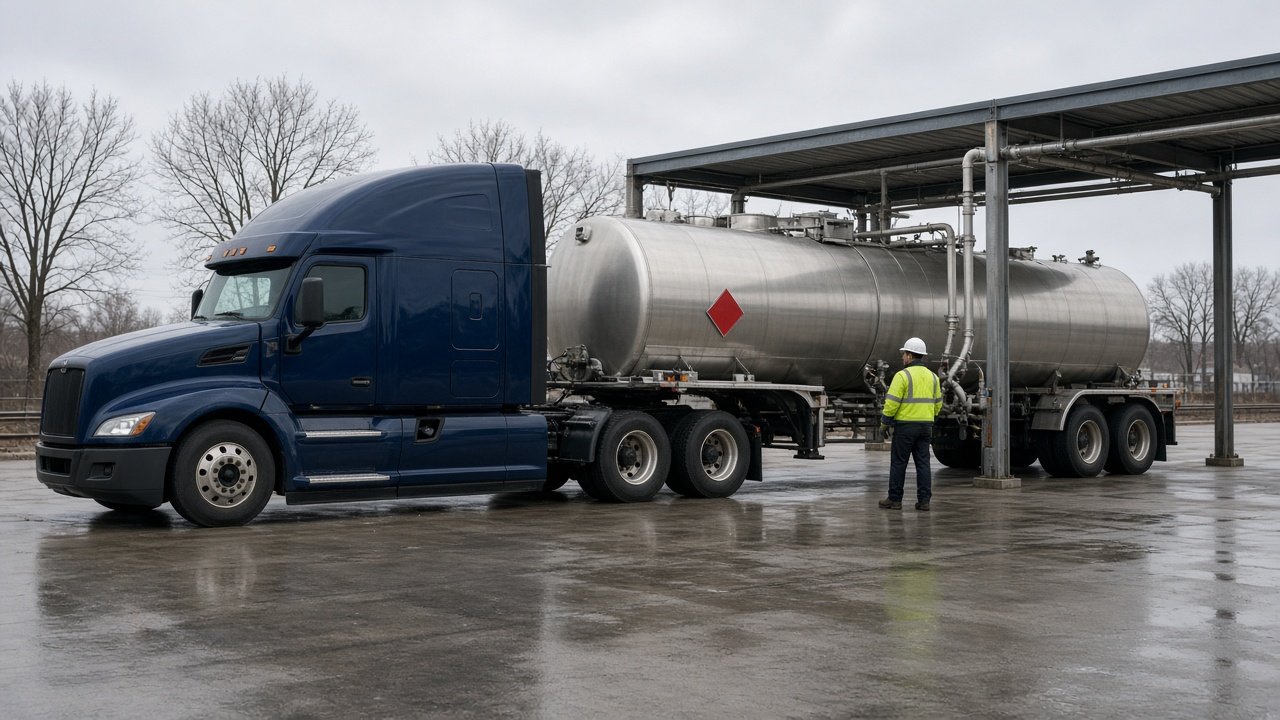
- Certain bulk hazmat, explosives, poison gas and radioactive material: $5,000,000
These are only legal minimums. Many brokers and shippers won't load you without higher liability limits and cargo coverage, even though federal rules don't require cargo insurance for general freight. Ask brokers what they require before you buy a policy. FMCSA says it won't grant your authority until your insurance filing is on record, and if you let coverage lapse later, your authority can be revoked.
How long does it take to get MC authority?
FMCSA says new applications may take 20 to 25 business days, or 8 weeks or longer if your application gets extra review. Your insurance and BOC-3 filings have a deadline too. FMCSA's insurance page says the filings are due within 20 days of publication in the Register, or you'll get a notice that your application will be dismissed. Go by the deadline in the letter FMCSA sends you.
Worked example (hypothetical timeline)
Say you apply on a Monday and nothing gets flagged:
- Day 0: you submit your application in Motus and pay $300 for one authority.
- Around business day 20 to 25: your application appears in the FMCSA Register, and your insurer and process agent file right away, since you lined them up in advance.
- Publication + 10 days: the protest period ends. If nobody protests and your filings are on record, your authority is granted.
- Grant + 3 to 4 business days: FMCSA normally sends the authority documents.
Total: about 5 to 7 weeks from application to active authority in this example. If your insurance quote isn't ready when you're published, you lose time, and you could lose the application.
What else do you need before your first load?
- Drug and alcohol testing program. As your own carrier, you need a testing program that includes random testing. A self-employed owner-operator usually joins a consortium or third-party administrator for this. You also have Clearinghouse duties as an employer, so see our Clearinghouse guide.
- State and tax registrations. Depending on your operation, these include IRP apportioned plates, an IFTA fuel tax account, annual UCR registration, and the IRS Form 2290 heavy vehicle use tax for trucks 55,000 lbs and up. Check with your base state.
- Your own files. You now keep the driver qualification file, maintenance records, annual inspections and HOS records that a carrier used to keep for you.
- A fuel plan. You're paying the pump price now, so watch current diesel prices and plan your fuel stops.
What happens during the new entrant period?
Every new carrier is monitored for 18 months under FMCSA's New Entrant Safety Assurance Program, with a safety audit generally within 12 months after you start operating. Some violations mean you automatically fail the audit, including:
- No drug and alcohol testing program, or no random testing
- Operating without the required insurance
- Not keeping hours-of-service records
- Using a truck that was placed out of service before it's repaired, or one that hasn't had its periodic inspection
If you fail, you must fix your safety management practices, or FMCSA can revoke your registration. Roadside inspections count too. Under 49 CFR 385.308, an out-of-service rate of 50% or more across at least three inspections in 90 days can trigger an expedited audit.
Common mistakes
- Applying before you have an insurance quote. The filing clock starts when you're published, not when you're ready.
- Paying for authority types you don't need. Each one costs $300, and there are no refunds.
- Hauling before you're active. A docket number that's been assigned or published isn't the same as active authority.
- Skipping the testing program. It's an automatic audit failure, even if you're the only driver.
- Thinking authority means freight. Many brokers hesitate to use brand-new authorities. Plan your cash flow for slow first months.
- Paying lookalike "registration" services. Check every filing yourself in Motus and on FMCSA's Licensing and Insurance site.
If you'd rather stay a company driver, browse current CDL-A jobs or use our job match tool to compare carriers. If you're vetting a carrier to lease onto, our guide to checking a carrier on SAFER covers what to look for.
Frequently asked questions
How much does it cost to get MC authority?
FMCSA's filing fee is $300 per authority type (as of November 2026). Insurance, the BOC-3, plates, UCR, testing and other costs come on top of that and vary a lot, so get real quotes.
Is FMCSA still issuing MC numbers in 2026?
Yes. FMCSA put the plan to eliminate MC numbers on hold for the Motus launch. New authorities get randomized docket numbers that still start with MC, and existing numbers don't change.
Can I drive for a carrier while my authority is pending?
Generally yes, because your authority application doesn't affect your CDL. Just don't haul for-hire loads under your own authority until it's active.
Do I need cargo insurance?
Federal rules don't require cargo insurance for general freight (household goods are an exception), but most brokers and shippers do.
Can I lease on instead?
Yes. Leasing onto a carrier lets you run your own truck under their authority, and many drivers use it to learn the business first. Read our lease-purchase red flags guide before you sign any truck deal.
Know a CDL-A driver who's thinking about a change? Refer them to us and earn $500. Refer a driver here.
Free for CDL-A drivers: get our Job Offer Checklist — 23 questions to ask any carrier about pay, miles and home time before you sign. Download the free checklist →
Know a CDL-A driver looking for work? Refer them and earn $500 when they complete 30 days on the road. Refer a driver →
CDL Transportation Group | CDL-A OTR Driver Recruiting