Your recruiters can advertise a strong cents-per-mile rate and still lose drivers who did the math on stops, drops, tarps and hours spent waiting at docks. In 2026, truck driver accessorial pay has become one of the places fleets are quietly competing for experienced CDL-A drivers, and it is often cheaper to fix than a broad mileage raise. Here is where the market is moving and how to decide what to change in your own pay package.
The market backdrop: tight capacity, targeted raises
Capacity is tight heading into the holidays. FreightWaves reported truckload spot rates at $3.56 per mile on Nov. 16, up more than 50% from a year earlier, with tender rejections at 12.85%, roughly double the year-ago level. TQL's November report says carriers are posting 27.6% fewer trucks for loads than last year, and cites FTR's expectation that nearly all active capacity stays in use through the first quarter of 2027.
That pressure is showing up in driver pay, but not evenly. Conversion Interactive Agency's Q3 data found 46% of surveyed carriers raised driver pay within the previous 90 days, and compensation was drivers' top concern at 26.6%. The National Transportation Institute (NTI) says most changes are targeted rather than across the board, because contract rates have not climbed enough to fund broad raises. NTI specifically reports fleets boosting stop pay, drop pay, detention pay and tarp pay while nudging base mileage up more modestly.
Why accessorial pay matters more than its size suggests
Accessorials are a small share of a driver's paycheck, but they decide whether the job feels fair. Drivers paid by the mile earn nothing while they wait, unload or secure a load unless you pay for that time. Conversion's Q2 report found that nearly 60% of compensation-related complaints trace back to inconsistent miles, which means the weeks with heavy dock time and short runs are the weeks drivers start browsing job boards.
Detention is the clearest example. In ATRI's survey, drivers reported being detained on 39.3% of deliveries in 2023, and industry data put annual detention at 117 to 209 hours per driver depending on sector. ATRI found 96.9% of carriers pay detention, but the rate rarely matches what the driver would have earned rolling: for truckload, a median $23 per hour of detention pay against about $28.14 per hour of equivalent driving pay, a gap of roughly $889 per driver per year. Refrigerated drivers lost the most, about $1,284 a year.
Where fleets are adjusting pay right now
Public announcements give a sense of the moves. Transport Topics reported that TMC Transportation raised holiday and tarp pay this summer, Melton Truck Lines added 5 to 8 cents per mile for company drivers, and Crete Carrier raised pay 1 to 3 cents per mile. NTI adds that OTR solo starting rates are moving into the 70-cents-per-mile range faster than ever, and that early-tenure pay guarantees and larger referral and sign-on incentives are back.
The common thread: fleets are paying for the parts of the job drivers resent most, and protecting new hires' first paychecks. NTI notes turnover is concentrated in the first 120 days, especially the first six weeks, so a guarantee during that window does double duty for recruiting and retention.
A worked example: what an accessorial bump really costs
The numbers below are assumptions for illustration only, not market data. Plug in your own figures.
- Assume a dry van driver averages 4 extra stops and 2 drop-and-hooks a week.
- Raising stop pay from $25 to $40 and drop pay from $20 to $30 adds 4 × $15 + 2 × $10 = $80 per week.
- Assume detention starts paying after 2 hours instead of 3, adding about 2 paid hours a week at $23 per hour = $46 per week.
- Total: about $126 a week, or roughly $6,500 a year per driver over 52 weeks.
Compare that with a flat 3-cent-per-mile raise on an assumed 2,300 paid miles a week: $69 a week, about $3,600 a year. The accessorial package costs more in this example, but every dollar goes to the drivers doing the hardest freight, and much of the detention cost can be billed back. ATRI found carriers invoiced customers for detention 75% of the time, and only 55% of those invoices were paid, so tighter billing alone can offset part of the change.
How to decide what to change in your fleet
- Pull 90 days of settlements. Find which drivers earn the least per on-duty hour, then see what is driving it: dock time, multi-stop loads, tarping, or short miles.
- Read your exit and stay interviews. If departing drivers mention waiting at shippers or unpaid work, accessorials are your first fix, not base rate.
- Shorten the detention clock and pay it automatically. Use ELD or geofence timestamps so drivers do not have to fight for every hour. A late or disputed detention payment does more damage than a lower rate.
- Bill every detention event. Align your customer contracts with what you pay drivers so the cost does not come out of margin alone.
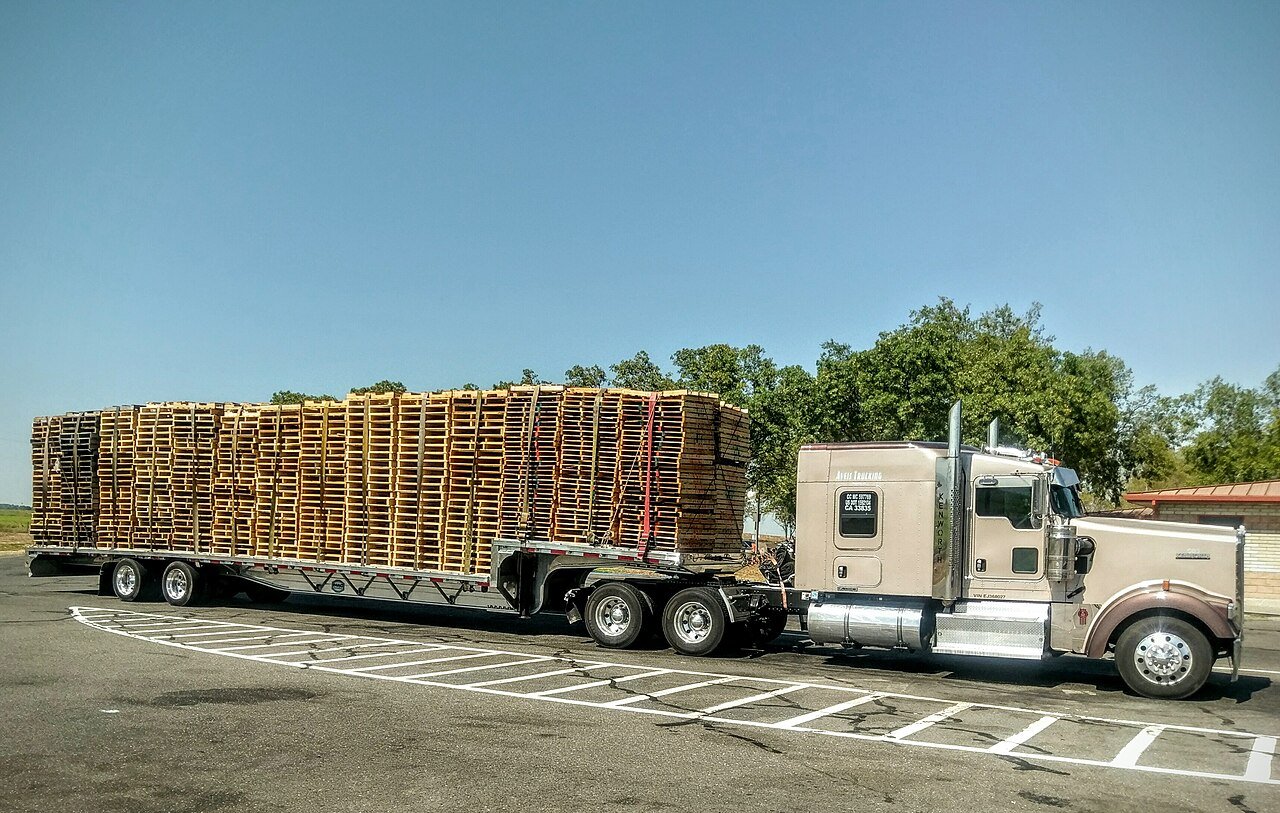
- Price tarp and securement work honestly. If you run flatbed, tarping a load in winter is real labor; pay should reflect it.
- Publish the full pay sheet in job ads. List stop, drop, detention, layover, breakdown and tarp pay with the start time for each. Experienced drivers compare these line by line.
- Consider a first-weeks guarantee. A weekly minimum for new hires protects them during training loads and slow first dispatches.
What to watch into 2027
NTI's view is that freight rates are the gatekeeper on pay: if contract rates strengthen while driver supply stays tight, targeted increases could become broad ones. FreightWaves reported van contract pricing at $2.86 per mile, up about 23% year over year, so many fleets will have more room to adjust in the coming bid season. NTI notes Q4 is when many fleets set next year's pay budgets, which makes now the right time to benchmark your accessorial schedule before competitors reset theirs.
Key takeaways
- Capacity is tight into early 2027, and nearly half of surveyed carriers raised pay in the last quarter.
- Many fleets are targeting stop, drop, detention and tarp pay rather than across-the-board mileage raises.
- Detention pay typically trails what drivers would earn driving; ATRI puts the truckload gap near $889 per driver per year.
- Run the math on your own settlements: an accessorial package can cost more or less than a cents-per-mile raise, depending on your freight.
- Bill customers for detention consistently and publish your full pay sheet in every job ad.
When your team is stretched
Rebuilding a pay package, renegotiating detention terms and recruiting at the same time is a lot for a small office. If your staff is tied up with pay changes and customer bids, an outside recruiting partner can keep qualified applicants moving to orientation while you fine-tune what you offer.
Photo: Cullen328, CC BY-SA 3.0, via Wikimedia Commons.
Know a CDL-A driver who wants to get paid for every stop and every hour at the dock? Point them our way: Refer a driver.
Need CDL-A Drivers? We Recruit Them for You.
CDL Transportation Group finds, qualifies, and delivers CDL-A OTR company drivers all the way to your orientation. No retainers, no setup fees, and no ad spend on you — you pay $2,000 per seated driver, split into two $1,000 payments, backed by a replacement guarantee.
Tell us how many drivers you need →
CDL Transportation Group | CDL-A OTR Driver Recruiting