Your safety team wants driver-facing cameras. Your recruiters are watching applicants walk away when they hear the word "camera." Both are right, and how you write and explain your camera policy now shapes truck driver recruiting as much as your pay sheet does. This guide covers what the research says drivers object to, and how to set up and explain in-cab cameras so they stop costing you hires.
The problem: cameras are showing up in your hiring funnel
This is not a hypothetical. In a Commercial Carrier Journal report, the safety director of a Pennsylvania carrier with close to 400 drivers said some applicants dropped out of the recruiting process as soon as they learned the trucks had cameras, and some new hires quit during orientation class for the same reason.
The survey data points the same way. In CCJ's What Drivers Want survey, 65% of drivers said driver-facing video is intrusive and they refuse to drive with it, while 27% said they dislike it but live with it. Only a small minority were on board. Separately, Platform Science's Driver Experience Report 2026, based on more than 1,100 drivers, found that 52% say technology directly influences whether they stay with or leave a fleet, and it listed unclear in-cab camera policies as one of the things that erode driver trust.
The same report put the cost of losing one driver at upwards of $12,799 in recruiting, training and lost productivity. A camera rollout that pushes out even a few drivers, or quietly cuts your application-to-orientation rate, gets expensive quickly.
What drivers actually object to
The most detailed research is ATRI's report Issues and Opportunities with Driver-Facing Cameras, which surveyed about 2,100 drivers along with legal experts and insurers. Among the roughly 650 drivers who already used driver-facing cameras, overall approval averaged just 2.24 out of 10. ATRI tied the low scores to unclear carrier policies, confusion about how different systems work, and privacy worries.
When ATRI asked drivers what would make cameras acceptable, the top answers were specific and fixable. From the report's driver suggestions:
- 18.8% wanted footage reviewed only after a crash or serious safety event.
- 16.7% wanted the camera off whenever the truck is parked, on break or off duty, especially in the sleeper.
- 11.6% wanted less "nitpicking": coaching focused on serious or repeated behavior, not every minor trigger.
- 9.1% said event triggers were too sensitive (bumps in the road, adjusting sunglasses).
- 7.0% wanted full access to their own footage, and 6.7% wanted an end to punitive use of video.
Women rated the cameras' privacy protection 34% lower than men did, and some female respondents reported harassment by staff who reviewed footage. If you are trying to hire more women drivers, this matters.
Policy choices that raise driver approval
The ATRI data also shows what moves the needle. Drivers at carriers that had cameras but did not use the footage for proactive safety gave the lowest approval rating, 1.87. Approval rose 87% when carriers used footage for all three preventive measures ATRI measured: improving safety programs, ongoing coaching and training. Drivers with event-based cameras rated them 22% higher than drivers with continuous recording.
Turn that into a written policy that covers:
- Event-based recording instead of continuous, if your system allows it. ATRI found 88% of legal experts surveyed preferred event-based cameras too.
- A clear off-duty rule: no driver-facing recording while parked or in the sleeper, and say so in writing.
- Limited access: name the roles that can view footage (safety managers, not "anyone in operations") and log who views what.
- Coaching by people who have driven: ATRI recommends having reviewers with commercial driving background, because some behavior that looks like distraction is normal mirror scanning.
- Driver access to their own events, so footage feels like protection, not a trap.
- Tuned triggers: work with your vendor to cut false alerts before rollout, not after drivers complain.
Lead with exoneration, and back it up
Drivers' biggest question, per ATRI, is "what is the benefit for the driver?" The best answer is defense. Legal experts in the ATRI survey said driver-facing footage exonerates the driver in 49% of litigation cases, and insurers reported it clears drivers in 52% of claims. Tell candidates that plainly, and if your own fleet has had a not-at-fault incident where video helped, describe it in general terms (without names) in orientation.
Positive use counts too. ATRI suggests recognizing drivers who go long periods without safety-critical events, the same way you would celebrate miles without an accident. Some carriers tie this to a safety bonus; 7.3% of drivers in the survey said extra pay for running with a camera would make them more open to it.
How to talk about cameras in recruiting
Hiding cameras until orientation is the worst option: you pay for travel, a hotel and a recruiter's time, then lose the driver in the classroom. Bring it up early and on your terms:
- Put it in the job ad or FAQ in one neutral sentence: road-facing and event-based driver-facing cameras, never on in the sleeper, used to defend drivers in claims.
- Cover it on the phone screen. Give recruiters a short script and a one-page policy summary they can text to candidates.
- Answer the three questions every driver asks: When does it record? Who sees it? Can it get me fired for small things?
- Track it. Add "camera policy" as a drop-off reason in your applicant tracking system so you know whether it is a real leak or a rare one.
- Involve current drivers. Only 15% of drivers in CCJ's survey said they feel able to influence their fleet's tech purchases. A driver panel that helped set the policy is far more convincing to a candidate than a manager's word.
A worked example: what a camera leak can cost
Assumed numbers, for illustration only: say your recruiters move 20 qualified candidates a month to the offer stage, and you learn that 3 of them drop out each month after hearing about cameras. If you need roughly 4 qualified candidates to seat one driver, those 3 lost candidates cost you about 0.75 seated drivers a month, or around 9 a year. Plug in your own funnel ratios and your weekly revenue per truck to see what that means in empty-seat days. If the number is meaningful, fixing the policy and the pitch is cheaper than buying more applicants.
Key takeaways
- Driver-facing cameras are a real factor in truck driver recruiting; surveys and carrier reports show applicants and new hires leaving over them.
- Drivers mainly object to off-duty recording, unclear access rules, nitpicky coaching and punitive use, all of which are policy choices.
- Event-based recording, a written off-duty rule, limited access and coaching-focused use raise driver approval, per ATRI.
- Explain cameras early, in the ad and on the phone screen, rather than surprising drivers at orientation.
- Track camera-related drop-off so you know what it is costing you.
When your team is stretched thin
Writing a camera policy, retraining recruiters and tracking every drop-off reason takes time that a small safety and recruiting team often doesn't have. If your people would rather focus on running the fleet while someone else finds, qualifies and delivers CDL-A drivers to orientation, outsourcing recruiting is worth a look.
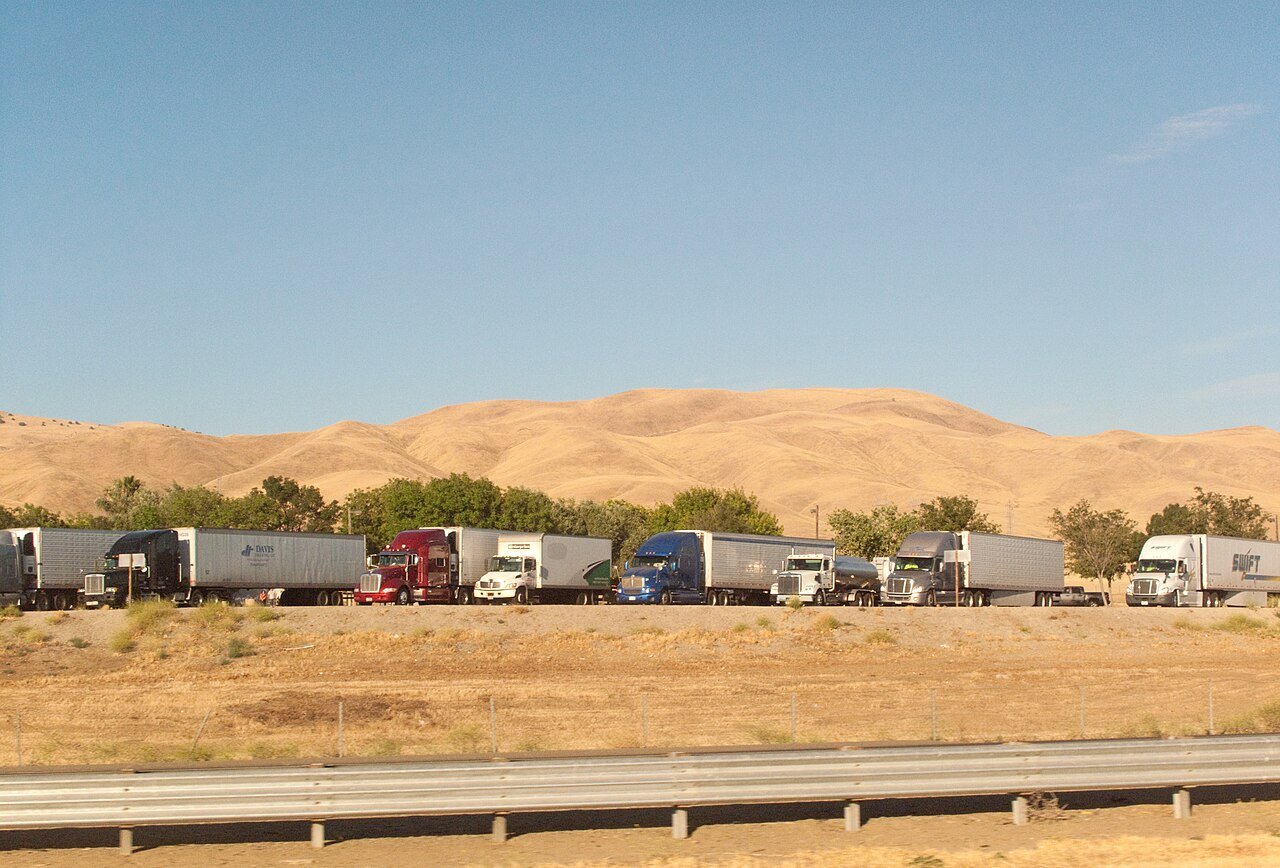
Photo: MobiusDaXter, CC BY-SA 3.0, via Wikimedia Commons.
Know a CDL-A driver who wants a fleet that treats them right? Send them our way: Refer a driver.
Need CDL-A Drivers? We Recruit Them for You.
CDL Transportation Group finds, qualifies, and delivers CDL-A OTR company drivers all the way to your orientation. No retainers, no setup fees, and no ad spend on you — you pay $2,000 per seated driver, split into two $1,000 payments, backed by a replacement guarantee.
Tell us how many drivers you need →
CDL Transportation Group | CDL-A OTR Driver Recruiting