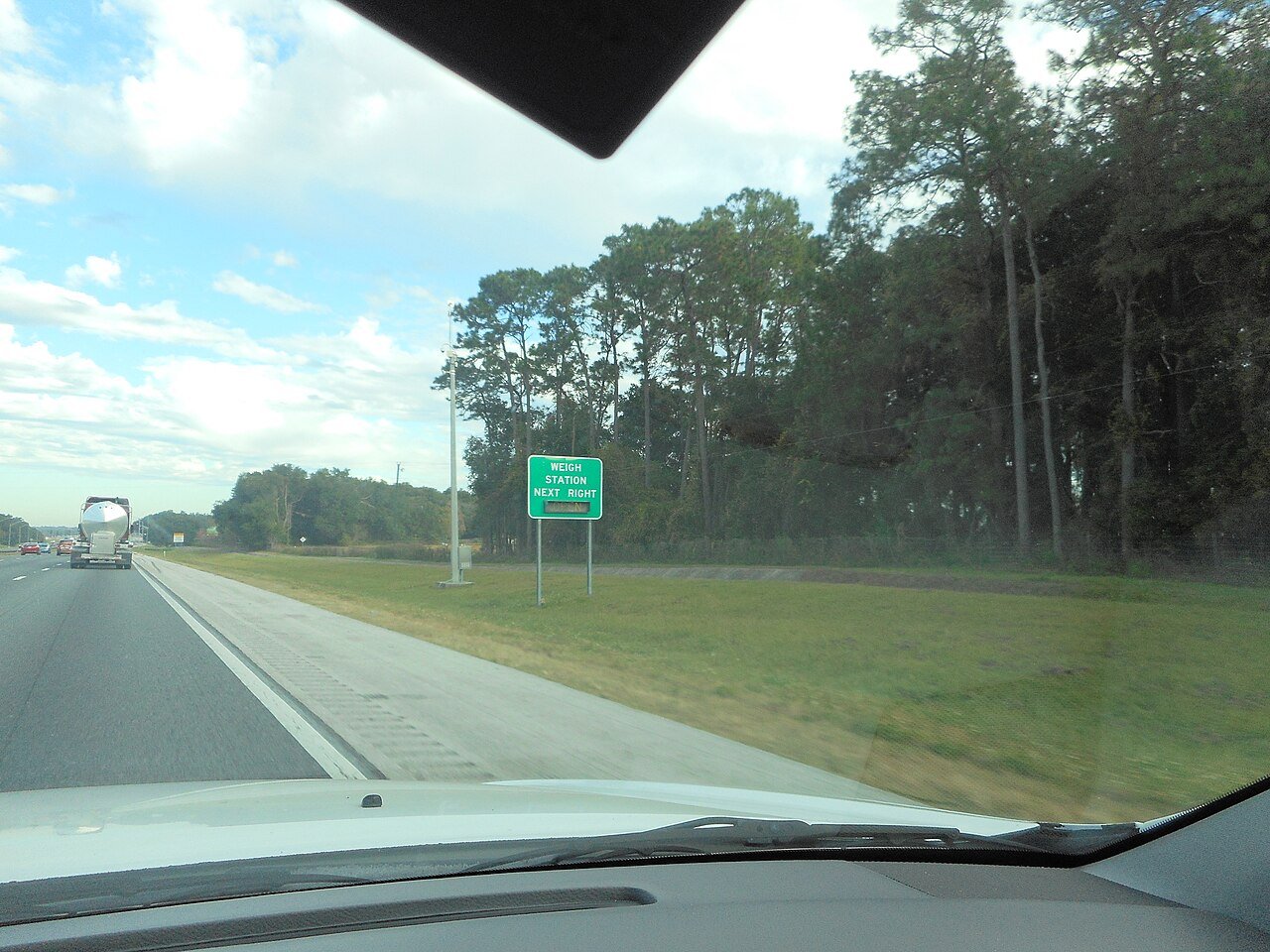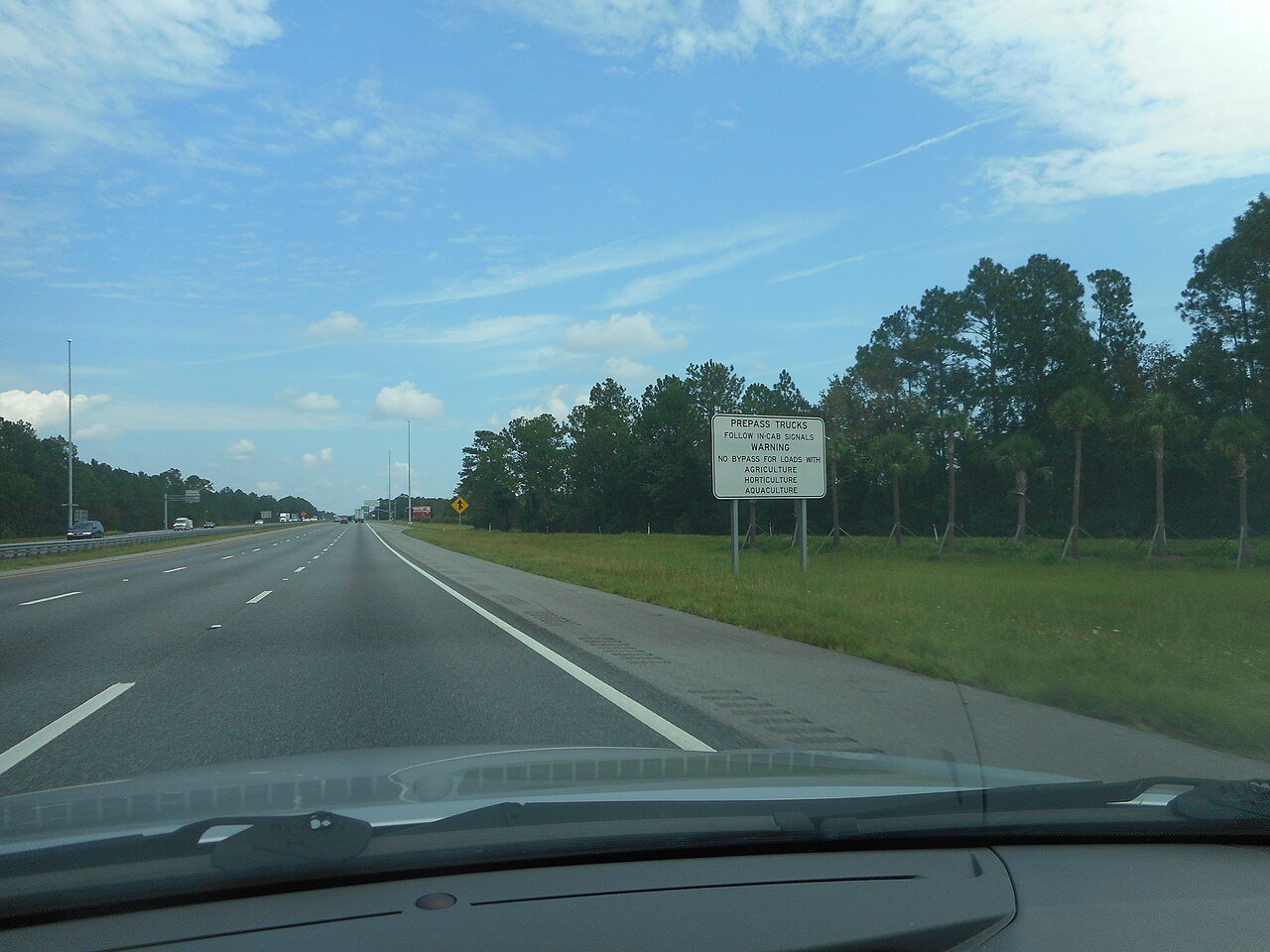
Get caught with a beer in the cab and the rule is clear: you're out of service for 24 hours, and driving before that clock runs out is its own violation. Get caught with drugs and, believe it or not, the federal rule says nothing like that. On September 17, FMCSA agreed to change that.
The agency granted a petition from the Commercial Vehicle Safety Alliance (CVSA) and opened a rulemaking to add a firm out-of-service period for drug violations, Transport Topics reported. Nothing has changed on the road yet. Here's what the gap is, how it came to light, and what you should do while this plays out.
The gap: drugs have no out-of-service language
Two federal rules sit side by side in Part 392. Section 392.5 covers alcohol. It bans drinking within four hours of going on duty, bans having alcohol in the truck, and then spells out the consequence: a driver found in violation "shall be placed out-of-service immediately for a period of 24 hours." It also says in plain words that no driver shall violate that order once it's issued.
Section 392.4 covers drugs and other substances. It says no driver can be on duty and possess, be under the influence of, or use:
That's the whole prohibition. There's no set out-of-service period and no line making it illegal to ignore an out-of-service order. Officers can still shut a driver down at the roadside for a drug violation. The weak spot is what happens at the next stop.
How Alabama troopers found the problem
According to Transport Topics, the Alabama Law Enforcement Agency ran into the problem during roadside enforcement, and CVSA then filed the petition. In the case CVSA cited, a driver was put out of service in Mississippi for 24 hours after officers found marijuana. The driver was stopped again in Alabama while that order was still in effect, but the Alabama officers had no specific rule to point to that would keep the truck parked.
Here's why. Once the drugs are confiscated at the first stop, there's nothing illegal in the cab at the second one. So there's no fresh 392.4 violation to write up, and nothing in 392.4 makes driving on an active drug out-of-service order a violation by itself. CVSA's argument was simple: possessing a controlled substance "poses the same risk to safety as possession of alcohol," so the two rules should match.
What FMCSA is proposing
According to the reporting, the change would put two things into 392.4, both copied from the alcohol rule:
FMCSA Administrator Derek Barrs said the petition gave enough reason to start the rulemaking process. He also made clear that granting a petition doesn't guarantee the rule will change. The agency still has to publish a proposal, take public comments and review them before it makes a final decision.
Two things aren't settled yet. We don't know when a formal proposal will appear in the Federal Register, or whether FMCSA will also copy the rest of the alcohol rule. Under 392.5, a driver has to report an out-of-service order to their employer within 24 hours and can ask for a review of the order within 10 days. Whether those steps come over to the drug rule is up to the final text.
Where marijuana stands in 2026
This is bound to raise questions, because marijuana's federal status did shift this year. In April, federal officials moved FDA-approved marijuana products and marijuana under a state medical license into Schedule III. Recreational marijuana wasn't part of that order. A wider rescheduling went to a DEA hearing that ended in July, and as of late September no final decision had been announced.
For CDL drivers, the bottom line hasn't moved. On May 15, DOT confirmed that using a state-licensed marijuana product is not a "legitimate medical explanation" for a positive DOT drug test, and that DOT testing programs are unchanged, according to a Morgan Lewis analysis. A positive test is still a positive test, with the same Clearinghouse report and return-to-duty process as before. And whatever the drug schedules say, 392.4 still bans being on duty under the influence of any substance that makes you unsafe to drive.
Why this matters even if you never touch the stuff
Most drivers will never be affected by this rule, and that's the point. When someone ignores an out-of-service order and keeps driving impaired, it hurts everyone else who shares the road and the industry's reputation. A clear rule means troopers can take that driver off the road on the first try instead of arguing over paperwork.
It also fits the bigger enforcement picture this year, with tighter English-proficiency enforcement, the crackdown on CDL schools and non-domiciled licenses, and more scrutiny at the roadside. The message from regulators has been the same all year: gaps in the rules are getting closed.
What this means for you
Nothing changes at the scale house today, but the direction is clear: in 2026, a drug violation is heading toward the same hard 24-hour line as alcohol.
Photo: DanTD, CC BY-SA 4.0, via Wikimedia Commons.
Free for CDL-A drivers: get our Job Offer Checklist — 23 questions to ask any carrier about pay, miles and home time before you sign. Download the free checklist →Know a CDL-A driver looking for work? Refer them and earn $500 when they complete 30 days on the road. Refer a driver →
CDL Transportation Group | CDL-A OTR Driver Recruiting