If you've ever been written up at a scale house for something you know was wrong, you probably also know how the appeal used to go: you filed a challenge online, waited weeks or months, and sometimes got a "no" from the same agency — even the same officer — that wrote the violation. As of mid-September 2026, that process has new rules. FMCSA's overhaul of the DataQs system is now in effect in every state that takes federal enforcement money, and it gives drivers real deadlines, independent reviewers and a written explanation when a challenge is denied.
Here's what changed, why it matters to your record, and how to use it.
What DataQs Is — and Why a Bad Violation Follows You
DataQs is FMCSA's online system for challenging crash and inspection data you believe is wrong or incomplete. That data isn't just paperwork. Roadside inspection results feed your carrier's CSA scores and show up on your Pre-Employment Screening Program (PSP) report, which recruiters and safety departments pull when you apply for a job. An unfair out-of-service violation or a crash you didn't cause can cost you a hiring offer or a better lane years after the fact.
The volume is huge. According to the FMCSA notice in the Federal Register, the agency publishes data on about 3 million inspections, 5 million violations and more than 180,000 vehicles in federally reportable crashes every year. In 2024 alone, DataQs received 63,548 challenges on inspections and violations and 8,314 on crash records.
The long-running complaint from drivers and owner-operators was simple: each state ran the process its own way, timelines were all over the map, and in many places the person deciding your challenge was the officer who issued the violation.
The New Three-Stage Review
FMCSA published the revised requirements on April 16, 2026, after collecting public comments, and gave states 150 days to build their plans and go live. Land Line reported that the requirements took effect this month. Every state now has to run challenges through three separate levels:
- Initial Review. The officer or inspector who wrote the violation can no longer be the only person who decides to deny your challenge.
- Reconsideration. If you're denied, you can appeal to a different person or panel with subject-matter expertise. The reviewer can't be the issuing officer, can't be that officer's immediate supervisor, and can't be whoever handled the first round.
- Final Review. A senior decision-maker or an independent panel — nobody involved in the first two rounds — makes the last call. After that, FMCSA treats the state's decision as final.
FMCSA Administrator Derek Barrs framed the change around fairness, saying drivers "deserve a system that treats them fairly," according to Heavy Duty Trucking.
Hard Deadlines — for the State and for You
The biggest practical change is the clock. Under the new requirements, all counted in calendar days:
- The state must open your challenge within 7 days.
- The state must decide an Initial Review within 21 days of submission.
- A Reconsideration must be decided within 21 days of your request.
- A Final Review must be decided within 45 days of your request.
You have deadlines too. You must ask for Reconsideration or Final Review within 30 days of the previous decision. If the state asks you for more information, you have 14 days to send it. The state's clock pauses while it waits on you and picks back up where it stopped when you respond. If you don't answer, the challenge closes as "Closed — No Requestor Response." If you later send the requested information, the case reopens at the same level rather than moving up.
States also have to accept inspection challenges filed within 3 years of the inspection and crash challenges within 5 years of the crash. Those windows match what shows up on a PSP report, so older mistakes on your record can still be contested.
A Denial Now Has to Explain Itself
A flat "no change made" is no longer enough. When a state denies a challenge on the merits at any level, the response must include the name and title of the decision-maker, a list of the evidence reviewed, the specific reasons for the decision and instructions for appealing. States must also publish their approved DataQs implementation plans on the DataQs website, so you can see how your state says it handles challenges.
FMCSA tied all of this to Motor Carrier Safety Assistance Program (MCSAP) grants, the federal money that pays for much of state truck enforcement. The agency says it will check compliance during annual MCSAP reviews and plans to publish state-by-state timeliness measures once enough data is collected.
The Catch: The Burden of Proof Is on You
The new process is fairer, but it isn't a free pass. The notice says the burden of proof "rests entirely with the requestor." A few rules to keep in mind:
- A challenge with no factual or legal basis can be rejected as "Closed — Insufficient Information" without a full review.
- An appeal that just says "I disagree" can be tossed. You have to point to the specific factual or legal mistake in the earlier decision.
- If you add brand-new evidence during an appeal that wasn't reviewed before, your case goes back to Initial Review. That's fair, but it restarts the process.
- If a violation is tied to a citation that's still pending in court, the challenge can be held until the court rules.
In other words, the case you build on day one matters most.
What This Means for You
- Pull your PSP report at least once a year and before you change jobs. Look for inspections or crashes you don't recognize, violations that were dismissed in court, or out-of-service orders that were written wrong.
- Collect evidence at the scene. Take photos of the equipment, keep copies of the inspection report and repair receipts, save your ELD records, and write down the time, location and officer's name. Dashcam video can decide a crash challenge.
- File with specifics. Say exactly what's wrong, which regulation applies and what document proves it. Attach everything with your first filing so the case doesn't get bounced back to the start.
- Watch your inbox and your calendar. Missing the 14-day window to answer a question from the state, or the 30-day window to appeal, can end your challenge.
- Don't stop at the first "no." Reconsideration and Final Review now go to people with no stake in the original call. If you have the facts, use them.
- Get help if you need it. Your carrier's safety department can file or support a challenge. OOIDA members can call the association's help line at 816-229-5791, according to Land Line.
For the full requirements, read the Federal Register notice or go to the official DataQs site. A clean, accurate record is one of the most valuable things you carry, and now you have a better way to keep it that way.
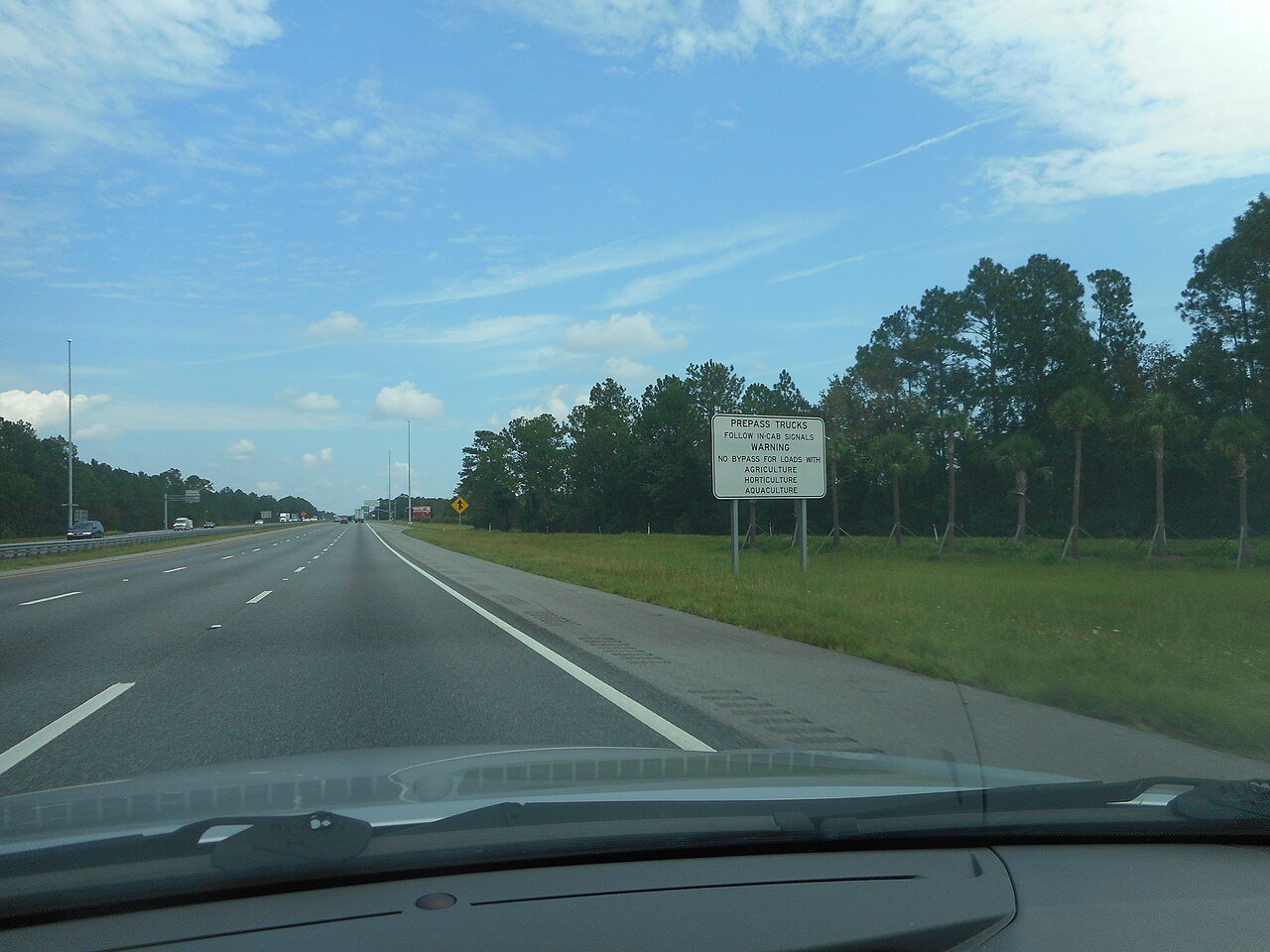
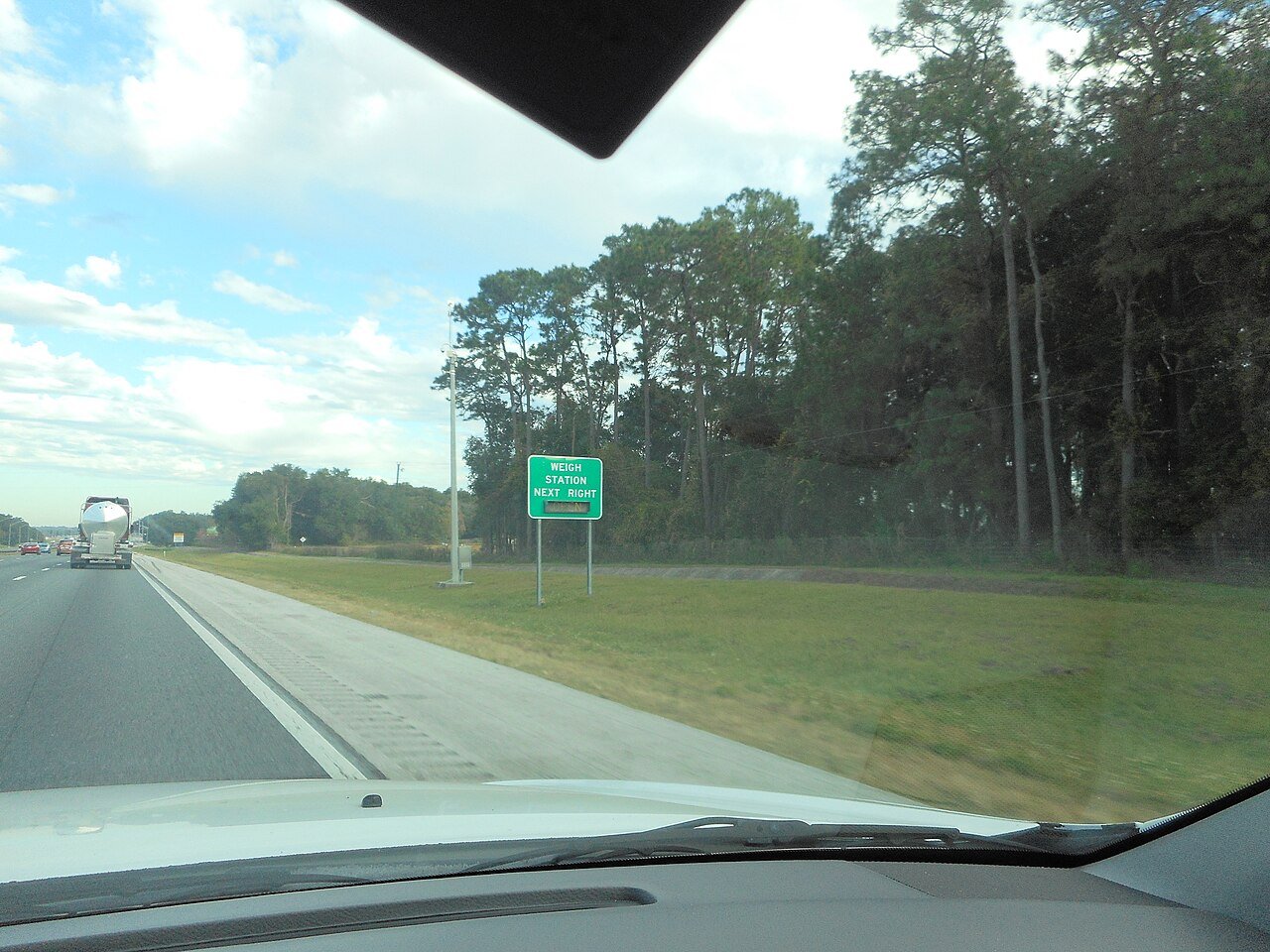
Photo: DanTD, CC BY-SA 4.0, via Wikimedia Commons.
Free for CDL-A drivers: get our Job Offer Checklist — 23 questions to ask any carrier about pay, miles and home time before you sign. Download the free checklist →
Know a CDL-A driver looking for work? Refer them and earn $500 when they complete 30 days on the road. Refer a driver →
CDL Transportation Group | CDL-A OTR Driver Recruiting