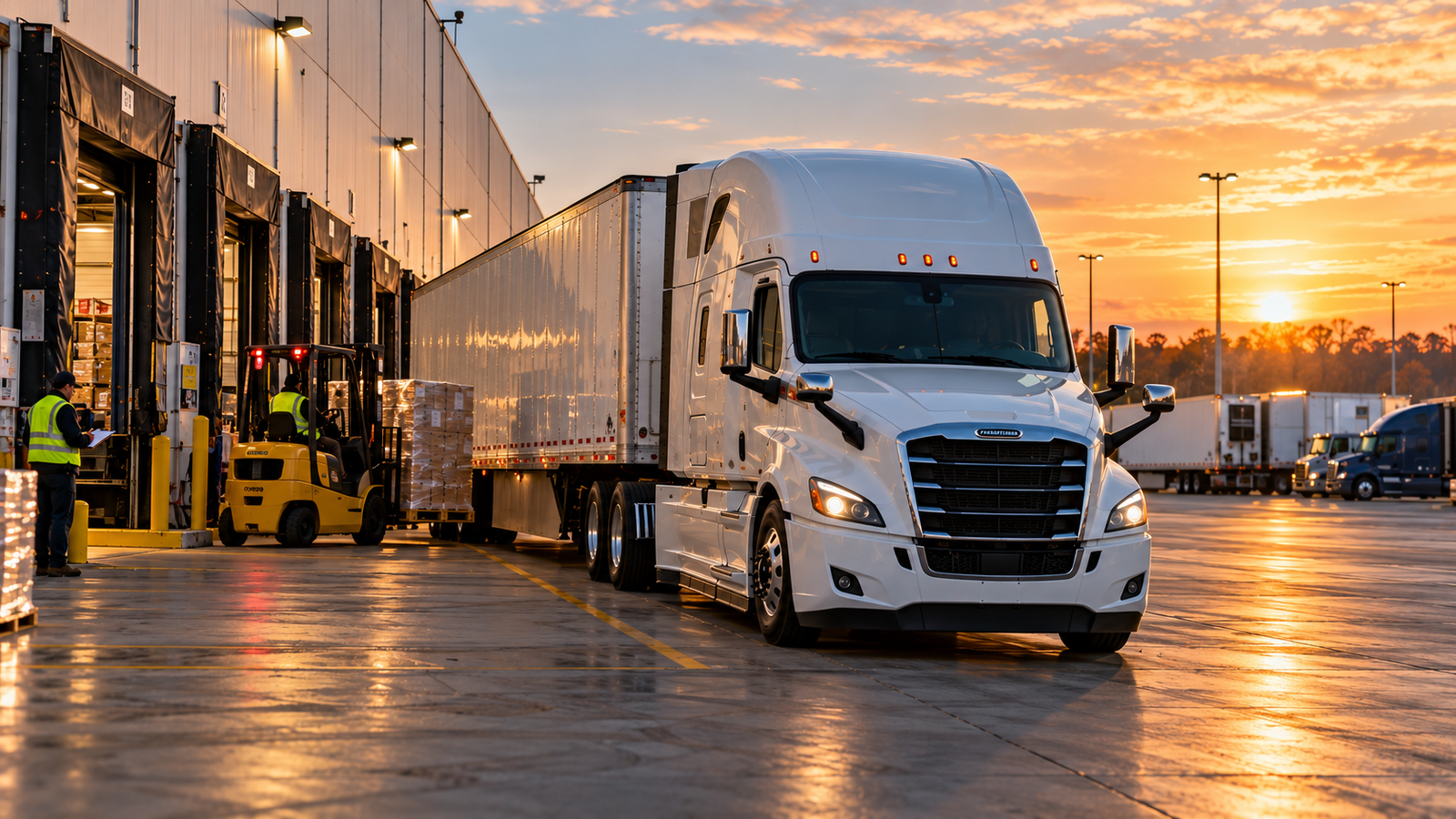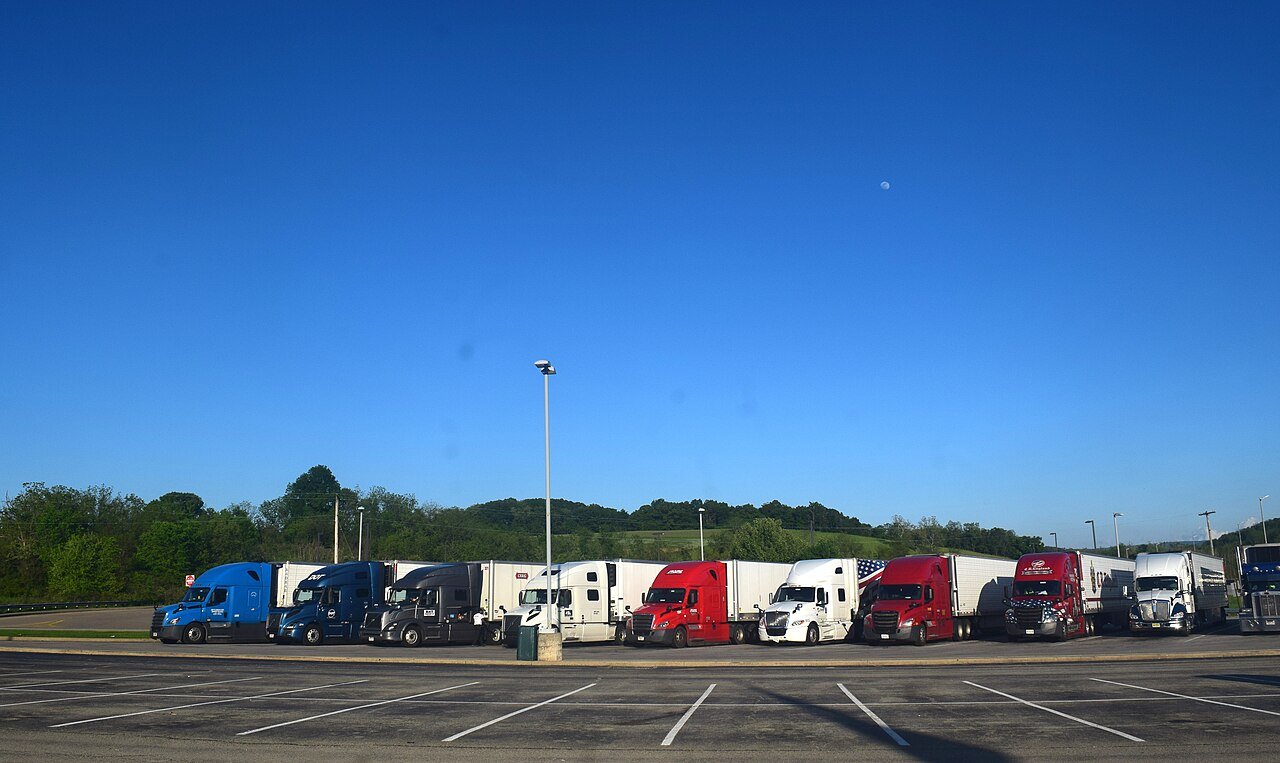
At least 16 trucking and transportation companies went into bankruptcy court between late August and September 21, 2026, according to a FreightWaves tally of recent filings. Diesel just hit a new high, and small fleets are feeling it first. If you drive for a small or mid-size carrier, here's how to spot trouble early and protect your paycheck if your company goes under.
Who Filed, and What Kind of Bankruptcy
The list is split right down the middle: eight companies filed Chapter 11 and eight filed Chapter 7. Most of them are small, which makes sense. Small carriers have the least cash to ride out a cost spike.
- Xoco Transport (Hidalgo/Mission, Texas) filed Chapter 11 on Sept. 16. Its filing lists more than 40 tractors and 65 drivers.
- Globemaster Incorporated (Bolingbrook, Illinois) filed Chapter 11 on Sept. 15 with 51 power units.
- Mill Creek Logistics-Illinois (Lenexa, Kansas) filed Chapter 11 on Sept. 14 with 24 power units and 28 drivers.
- Truckload LLC, which operated as Expedite Express (Ave Maria, Florida), filed Chapter 11 on Sept. 9. It once ran 114 power units, and FreightWaves reports that its operating authority is set for involuntary suspension on Sept. 30.
- T Yorkman Trucking (Midland, Texas), an oilfield and hazmat hauler with about 39 trucks, was among the Chapter 7 filers.
The rest were mostly one- to six-truck operations in California, Illinois and Texas, plus an Amazon delivery contractor in Florida, a hay hauler in Arizona and a flatbed/brokerage outfit in Louisiana. TheStreet reported the same count and pointed to the sharp rise in diesel as the main pressure on smaller carriers.
The difference between the two chapters matters for you. Chapter 11 is a reorganization. The company usually keeps running and tries to restructure its debt, so trucks may keep rolling and paychecks may keep coming. Chapter 7 is a liquidation. The business shuts down, a trustee sells off the assets, and the jobs are gone.
Why It's Happening Now
The biggest reason is fuel. According to the U.S. Energy Information Administration, the national average for on-highway diesel was $6.529 per gallon on September 21. That's up 24.4 cents in one week and $2.78 higher than a year ago. You can check today's diesel prices and truck stop map for current numbers where you run.
Freight rates have climbed this fall, but a carrier running on thin margins with contract freight priced months ago can't always pass the higher fuel cost along fast enough. American Transportation Research Institute data cited by TheStreet shows carriers cut truck counts by 2.4% and left about 10% of their trucks unseated on average as costs rose. That's a fleet saying it can't afford to run everything it owns.
Warning Signs Your Carrier Is in Trouble
Companies rarely announce that they're about to fold. But drivers usually see the signs before anyone else does:
- Late or short settlements. Payday slips a day or two, or pay shows up "partially" with a promise to fix it next week.
- Fuel cards getting declined, or being told to fuel only at certain stops without a clear reason.
- Repairs getting put off. Tires, brakes and reefer units sit on the "we'll get to it" list.
- Trucks parked in the yard with no drivers, while dispatch has less and less freight to offer.
- Office turnover: dispatchers, safety staff or payroll people leaving all at once.
- Authority or insurance changes. You can look up any carrier's operating status on FMCSA's SAFER system.
One sign alone doesn't mean your carrier is going under. Two or three together mean you should start planning.
Protect Your Pay Before and After a Filing
Start keeping your own records now, before anything goes wrong. That means copies of every settlement statement, trip sheet, rate confirmation (if you're paid on percentage), and any messages about pay or reimbursements. If a company collapses, those records are how you prove what you're owed.
If your carrier files, unpaid wages get special treatment. Under Section 507(a)(4) of the Bankruptcy Code, wages earned within 180 days before the filing (or before the business stopped operating, whichever came first) are a priority claim up to $17,150 per person for cases filed since April 1, 2025. Priority claims get paid before most other unsecured debts. That's not a promise you'll get paid in full, but it puts you ahead of most other creditors. Watch for a notice from the bankruptcy court, and file a proof of claim by the deadline it gives.
If your employer simply stops paying without filing, your state labor department or the U.S. Department of Labor's Wage and Hour Division is where you file a wage complaint. Rules differ by state, so check with the official agency or a qualified attorney for your situation.
Leased owner-operators have one more thing to watch: escrow. Federal leasing rules (49 CFR 376.12) require the carrier to account for escrow funds and return the balance within 45 days after the lease ends. Keep a copy of your lease and every escrow statement.
If the Doors Close While You're on the Road
This is the scenario drivers fear most, and it does happen. If dispatch goes silent or you're told the company is shutting down mid-trip:
- Stay professional and safe. You're still responsible for the load and equipment while they're in your hands.
- Get instructions in writing: where to drop the load and where to leave the truck.
- Take photos of the load, seal, trailer and truck condition, and write down fuel level and mileage when you hand it off.
- Take your personal belongings out of the truck before you walk away. Getting them back later can be hard.
- Figure out how you're getting home. Carriers normally arrange that, but a failing one may not, so know your options.
Lining Up Your Next Job
The good news: carriers are still hiring, and a clean record carries a lot of weight. When a new carrier hires you, federal rules require them to look into your safety performance history with previous DOT employers. If your old company no longer exists, those checks can take longer, so keep your own copies of your MVR, recent inspection reports and proof of employment dates. That makes it easier for your next employer to verify your history.
Before you sign on anywhere, check the carrier's authority on SAFER, ask how long it's been in business, and ask current drivers how reliably they get paid. A strong, stable carrier is worth more than a few extra cents per mile from a fleet that's struggling to buy fuel.
What This Means for You
- Sixteen bankruptcies in about a month is a real signal, and most of the pressure is on small fleets.
- Keep your own copies of settlements, trip records and your lease, starting today.
- Know the warning signs: late pay, declined fuel cards, deferred repairs and staff leaving.
- If your carrier files, watch for court notices and file a proof of claim for unpaid wages.
- If you're shopping for a new seat, stability matters as much as the pay rate.
High diesel won't last forever, but a carrier that can't pay you on time is a problem right now. Plan ahead so a company's collapse doesn't become yours.
Photo: Shashidhara halady, CC BY-SA 4.0, via Wikimedia Commons.
Free for CDL-A drivers: get our Job Offer Checklist — 23 questions to ask any carrier about pay, miles and home time before you sign. Download the free checklist →
Know a CDL-A driver looking for work? Refer them and earn $500 when they complete 30 days on the road. Refer a driver →
CDL Transportation Group | CDL-A OTR Driver Recruiting