Most fleets treat driver pay as a rate problem: if drivers leave, raise cents per mile. But a large share of pay frustration has nothing to do with the rate. It comes from settlements drivers can't read, missing stop or detention pay, deductions nobody explained and questions that sit unanswered for weeks. Truck driver pay disputes are one of the most fixable causes of turnover, and fixing them costs far less than a raise.
This guide covers how big the problem is, why it pushes drivers out the door and a practical process your payroll and operations teams can put in place this quarter.
How Common Truck Driver Pay Disputes Really Are
In Commercial Carrier Journal's annual "What Drivers Want" survey, 31% of respondents said they had experienced a pay discrepancy with their employer, and 43% of those said they gave up without a resolution. Only 8% of drivers who reported a discrepancy said it turned out to be a miscommunication and they had been paid correctly. In other words, most disputes are real, and many of them never get closed.
Think about what "gave up" means in practice. A driver who stops arguing about a short check hasn't accepted it. They've decided the company won't fix it, and that belief tends to show up later as a resignation, often blamed on "pay."
Most "Pay Complaints" Are Really Operations Complaints
WorkHound analyzed feedback from 6,704 drivers at 67 trucking companies who quit in 2024. In its "Why Drivers Quit" series, it found that only 4.9% of pay-related complaints were purely about base rates. More than 95% traced back to operational failures: low-mileage or inconsistent loads, deadhead, waiting at shippers and receivers, and equipment downtime that kept drivers from earning what they expected or even reaching promised minimums.
The same analysis ranked operational problems (22.8%) as the top issue cited by drivers who left, with communication failures (8.9%) and broken recruiter promises on miles, bonuses and home time (5.5%) also on the list. A paycheck is where all of those failures become visible. That is why a driver who says "the pay is bad" may really mean "dispatch kept me sitting, the detention never showed up and nobody called me back."
Rate still matters. According to ATRI data summarized by FleetOwner's Trucking By the Numbers 2026, a $5,000 increase in annual driver pay was associated with a 2.9% drop in average turnover, while an extra 30 minutes of average dwell time was associated with a 5.4% increase. Time lost at the dock costs drivers money too.
Step 1: Make Every Settlement Readable
A driver should be able to check a settlement against their own logbook in a few minutes. If they can't, every confusing line looks like an error.
- List each load with origin, destination, paid miles and the mileage method you use.
- Show accessorials (stops, detention, layover, breakdown pay, tarp pay) as separate lines with the trigger, such as "detention: 2.5 hrs beyond the first 2 hrs."
- Give every deduction a plain-language label and, for recurring ones, a running balance.
- If you guarantee a weekly minimum, show the calculation so the driver can see when the guarantee applied.
CCJ's reporting describes how one carrier removed hard-to-calculate performance bonuses from its pay package partly because drivers couldn't work out what they would earn. Simpler pay is easier to audit for everyone.
Step 2: Show Drivers Their Pay Before Payday
The carriers interviewed by CCJ use a simple idea: let drivers spot problems before payroll closes. Nussbaum Transportation shows drivers a pay preview on the Monday before a Friday payday and keeps payroll open until midday Wednesday so drivers can call with questions. Boyle Transportation gives drivers an app where they log activity and see what their pay should be ahead of time.
You don't need custom software to copy this. A preview email or a PDF from your TMS sent two or three days before payroll closes, with a clear cutoff time for questions, catches most errors while they're still cheap to fix.
Step 3: Give Drivers a Direct Line to Payroll
When pay questions go through a dispatcher or fleet manager, they compete with load problems and often get lost. At J&R Schugel, CCJ reports, each driver is assigned a specific payroll contact based on last-name initial and can call that person directly.
For a smaller fleet, this can be one named payroll person with a dedicated phone number and text line. Set response targets and track them:
- Acknowledge every pay question the same business day.
- Resolve or explain within one pay cycle.
- Pay confirmed shortages on the next check at the latest, or by off-cycle payment if the amount is significant to the driver.
Step 4: Log Every Dispute and Find the Root Cause
A dispute log turns individual complaints into fixable patterns. Record the driver, date, amount, category (miles, detention, stop pay, deduction, bonus, guarantee) and the root cause. Within a few months you'll usually see that most errors come from a handful of sources: missing detention timestamps, bills of lading scanned late, a mileage-software setting or a dispatcher who doesn't enter layovers.
Review the log monthly with operations, not just payroll. Given WorkHound's finding that most pay frustration is really operational, the fix often belongs in dispatch or customer appointment management, not accounting.
Good records also protect you. The U.S. Department of Labor's recordkeeping guidance under the Fair Labor Standards Act requires covered employers to keep accurate records of non-exempt employees' hours and wages, including all additions to and deductions from wages, and to keep payroll records for at least three years. Check with your payroll provider or employment counsel on how those rules and any state requirements apply to your drivers.
Step 5: Explain Pay at Hiring and Orientation
Disputes often start with a recruiter's verbal promise. Put the full pay package in writing before the driver travels to orientation: rate, mileage method, accessorials, guarantees and every standard deduction. In CCJ's reporting, Boyle's director of recruiting walks applicants through the pay process during orientation, and new drivers meet the payroll and HR managers in person.
Then walk each new hire through their first settlement line by line. A 15-minute call after the first check prevents a lot of 90-day quits.
A Quick Illustration (Assumed Numbers)
These figures are assumptions for illustration, not data from any fleet. Take a 40-driver fleet. If its drivers matched the CCJ survey rate, about 12 of them (31%) would hit a pay discrepancy, and roughly 5 of those (43%) would give up without a resolution. That's five drivers carrying a grievance into every conversation with dispatch. Multiply the number who eventually leave by your own cost to replace a driver, including recruiting, orientation and the days the truck sits empty, and compare that with the cost of one payroll process change.
Key Takeaways
- About one in three drivers in CCJ's survey reported a pay discrepancy, and 43% of them gave up without a fix.
- WorkHound found more than 95% of pay complaints from drivers who quit were rooted in operations, not base rate.
- Readable settlements, pay previews and a direct payroll contact catch errors before they reach the paycheck.
- Log every dispute, find the root cause and fix it in dispatch when that's where it starts.
- Put pay terms in writing before orientation and review the first settlement with each new hire.
Keeping Seats Filled While You Fix Pay
Cleaning up settlements and dispute handling takes payroll and operations time, and it pays off slowly as fewer drivers leave. While that work is underway, empty trucks still need drivers. If your team doesn't have the bandwidth to run recruiting and fix retention at the same time, handing off driver sourcing and qualification lets your staff focus on keeping the drivers you already have.
Know a CDL-A driver who wants a carrier that gets the paycheck right? Send them our way: Refer a driver.
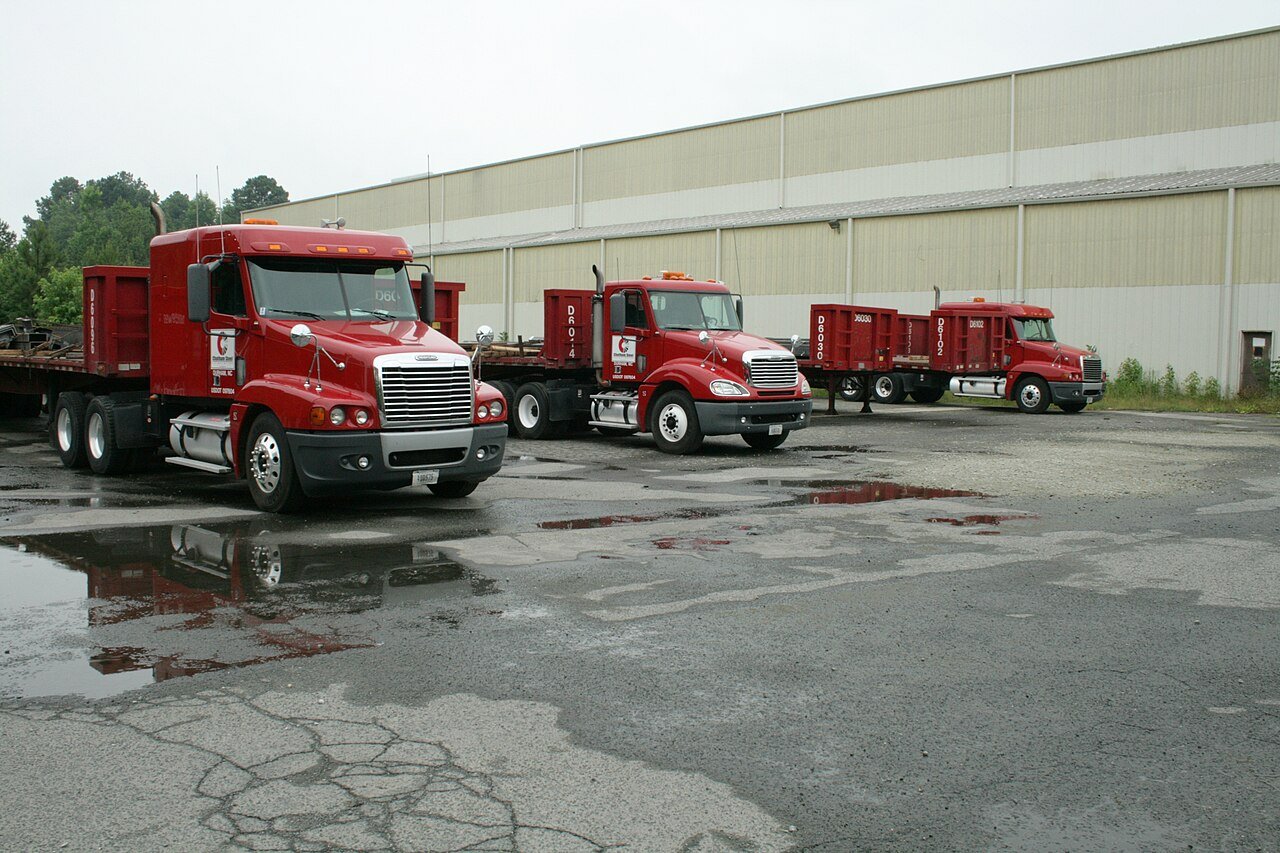
Photo: Ildar Sagdejev (Specious), CC BY-SA 4.0, via Wikimedia Commons.
Need CDL-A Drivers? We Recruit Them for You.
CDL Transportation Group finds, qualifies, and delivers CDL-A OTR company drivers all the way to your orientation. No retainers, no setup fees, and no ad spend on you — you pay $2,000 per seated driver, split into two $1,000 payments, backed by a replacement guarantee.
Tell us how many drivers you need →
CDL Transportation Group | CDL-A OTR Driver Recruiting


