Every November the same thing happens: your applicant flow thins out, recruiters start talking about "waiting for January," and empty trucks sit in the yard through the most expensive weeks of the year. Holiday truck driver hiring is harder, but it is not dead. The carriers that keep working leads now are the ones that start 2027 with full seats while everyone else is still scheduling first calls.
Here is what the data says about Q4 driver behavior and a week-by-week plan to fill seats from now through the New Year application wave.
What Actually Happens to Driver Job Searches in Q4
The slowdown is real, but it is more nuanced than "nobody is looking." Tenstreet CEO Tim Crawford told Transport Topics that the number of drivers looking to change jobs in November and December "falls off a cliff," mainly because drivers know a new employer is unlikely to give them holiday time off. Yet in Q4 2025 his company also saw lead applications rise, followed by weak follow-through to full applications, and then a strong pickup in late January as pent-up demand worked through.
Tenstreet's earlier Q3 market index gives the two main reasons drivers hesitate: they don't want to be the new hire who misses home time over the holidays, and they worry that last-in, first-out policies make them the first to be cut if freight softens. Meanwhile, competition for the drivers who are moving keeps climbing. The Q4 2025 Driver Recruiting and Retention Data Download from Conversion Interactive Agency and The Professional Driver Agency found cost-per-hire up 24% year over year, as reported by Transport Topics.
The takeaway for your fleet: fewer drivers are ready to start in December, but plenty are browsing. Your job in Q4 is to convert the ready ones now and lock in the browsers for early January.
Why Pausing Recruiting in December Backfires
The problem with "we'll restart in January" is lead time. In an analysis of seven fleets, Randall Reilly found the average time from a driver's first contact to arrival at orientation was 32 days. If that holds for your funnel, the drivers you want in orientation in mid-January need to be in your pipeline around Thanksgiving. The same analysis found that six of the seven fleets had their lowest cost-per-hire in November, December or January, so the quiet season can also be the cheaper one.
Tenstreet has also documented a predictable surge in applications around New Year's Eve, roughly 30–40% above Q4 levels. Carriers that went dark in December meet that surge with no ads running, no warm leads and recruiters who are still getting back up to speed.
And the truck keeps costing you money while you wait. Worked example (assumed numbers): ATRI's 2026 cost report puts truck and trailer payments at 40.4 cents per mile and insurance at 10.6 cents per mile for 2025, according to FreightWaves. If you assume a seated truck runs 2,200 miles a week, those two line items alone equal about $1,120 per week, and they don't go away when the truck is parked. Five unseated weeks from Thanksgiving to New Year's is roughly $5,600 in fixed cost per truck before you count a single dollar of lost revenue. Plug in your own miles and payment figures, but the direction is the same for every fleet.
A Week-by-Week Holiday Truck Driver Hiring Plan
Use the calendar to your advantage. In 2026, Thanksgiving falls on Thursday, November 26, and both Christmas and New Year's Day fall on a Friday. That shapes when drivers will actually agree to start.
- Now through November 20: Push hardest for drivers who can start before Thanksgiving. Tenstreet's Q3 analysis advised carriers that need to fill trucks to accelerate efforts in the weeks leading up to Thanksgiving. Offer the earliest possible orientation date and confirm travel the same day a driver is approved.
- Thanksgiving week: Keep ads running and answer every lead, but don't schedule orientation that week. Use it to book December and early-January class dates.
- November 30 to December 18: Run one or two December orientation classes for drivers who are unhappy where they are and ready to move. These are often the most motivated hires of the year.
- December 21 to January 1: Recruit, don't orient. Qualify leads, run MVRs, PSP reports and Clearinghouse queries, and hold a conditional seat with a firm January date.
- First two weeks of January: Run your largest class of the quarter and make sure recruiters are staffed for the application wave.
Solve the Home-Time Objection Up Front
If the biggest reason drivers won't switch in December is fear of losing holiday home time, address it directly instead of hoping they don't ask. Practical options:
- Put the holiday schedule in writing. Tell candidates exactly when they will be home for Christmas or New Year's if they start in December, and have dispatch sign off before the recruiter promises it.
- Offer a deferred start. Let a driver complete the application, background checks and drug test in December, then start orientation the first week of January.
- Address job security honestly. If your fleet doesn't cut the newest drivers first when freight softens, say so. If you can't make that promise, don't imply it.
- Be precise about the first paycheck. A driver switching mid-December needs to know when the first settlement lands and roughly what it will be, especially going into holiday spending.
Speed Matters More When Leads Are Scarce
With fewer completed applications in Q4, every lead counts. Tenstreet's own data found driver engagement dropped by about 50% between five minutes and one hour after a lead came in, as noted in its New Year application analysis. During the holidays, that means someone has to own the inbox on evenings and weekends, not just weekday business hours.
Set a simple rule: every lead gets a call within 15 minutes during staffed hours and first thing the next morning otherwise, plus a text so the driver has your number. Treat lead-only forms as live prospects; Crawford's observation that Q4 lead forms rose while full applications lagged suggests many of those drivers are open to a conversation and need a reason to finish.
Keep the Drivers You Already Have Through the Holidays
Seating new drivers only helps if you aren't losing current ones at the same time. ATRI measured driver turnover at 44.2% in 2025, and 32% at fleets with fewer than 26 trucks, according to FreightWaves. In the Q4 2025 data reported by Transport Topics, equipment problems were the top retention concern at 32.1% of drivers, ahead of compensation at 26.3%.
Before the holidays, honor every approved home-time request, get open maintenance issues fixed before drivers head out on long December runs, and have dispatchers check in personally with drivers hired in the last 90 days. A driver who misses Christmas because of a broken promise is a January quit waiting to happen.
Key Takeaways
- Driver job switching drops sharply in November and December, but lead activity doesn't stop, and the New Year surge is predictable.
- With an average of about 32 days from first contact to orientation in one multi-fleet analysis, January hires need to be in your pipeline by late November.
- Push for pre-Thanksgiving starts, run small December classes, and use late December to qualify drivers for firm January dates.
- Answer the home-time and job-security objections in writing before the driver has to ask.
- Staff lead follow-up through the holidays; response speed matters even more when volume is low.
- Protect holiday home time for current drivers so your January hiring isn't just replacing December quits.
When Your Team Is Stretched Thin
Q4 is when recruiters take vacation, safety teams close out the year and dispatch is buried in holiday freight, which is exactly when lead follow-up slips. If your team doesn't have the bandwidth to work leads through the holidays and fill a January class, an outside recruiting partner that finds, qualifies and delivers drivers to orientation can keep your pipeline moving while your staff focuses on the drivers you already have.
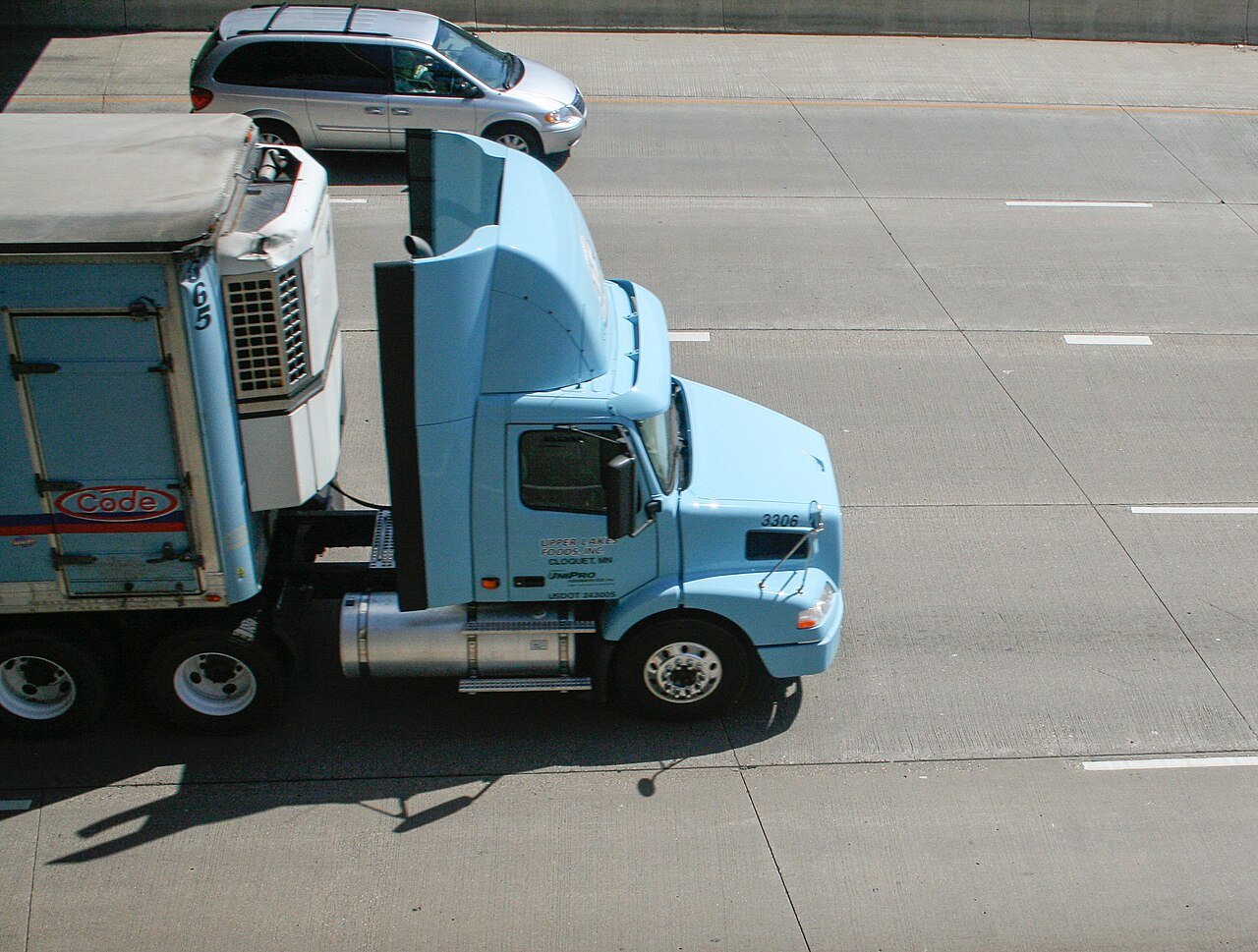
Photo: Janusz Sobolewski, CC BY 2.0, via Wikimedia Commons.
Got a CDL-A driver friend ready for a better seat in the new year? Send them our way — it's free for drivers: Refer a driver.
Need CDL-A Drivers? We Recruit Them for You.
CDL Transportation Group finds, qualifies, and delivers CDL-A OTR company drivers all the way to your orientation. No retainers, no setup fees, and no ad spend on you — you pay $2,000 per seated driver, split into two $1,000 payments, backed by a replacement guarantee.
Tell us how many drivers you need →
CDL Transportation Group | CDL-A OTR Driver Recruiting