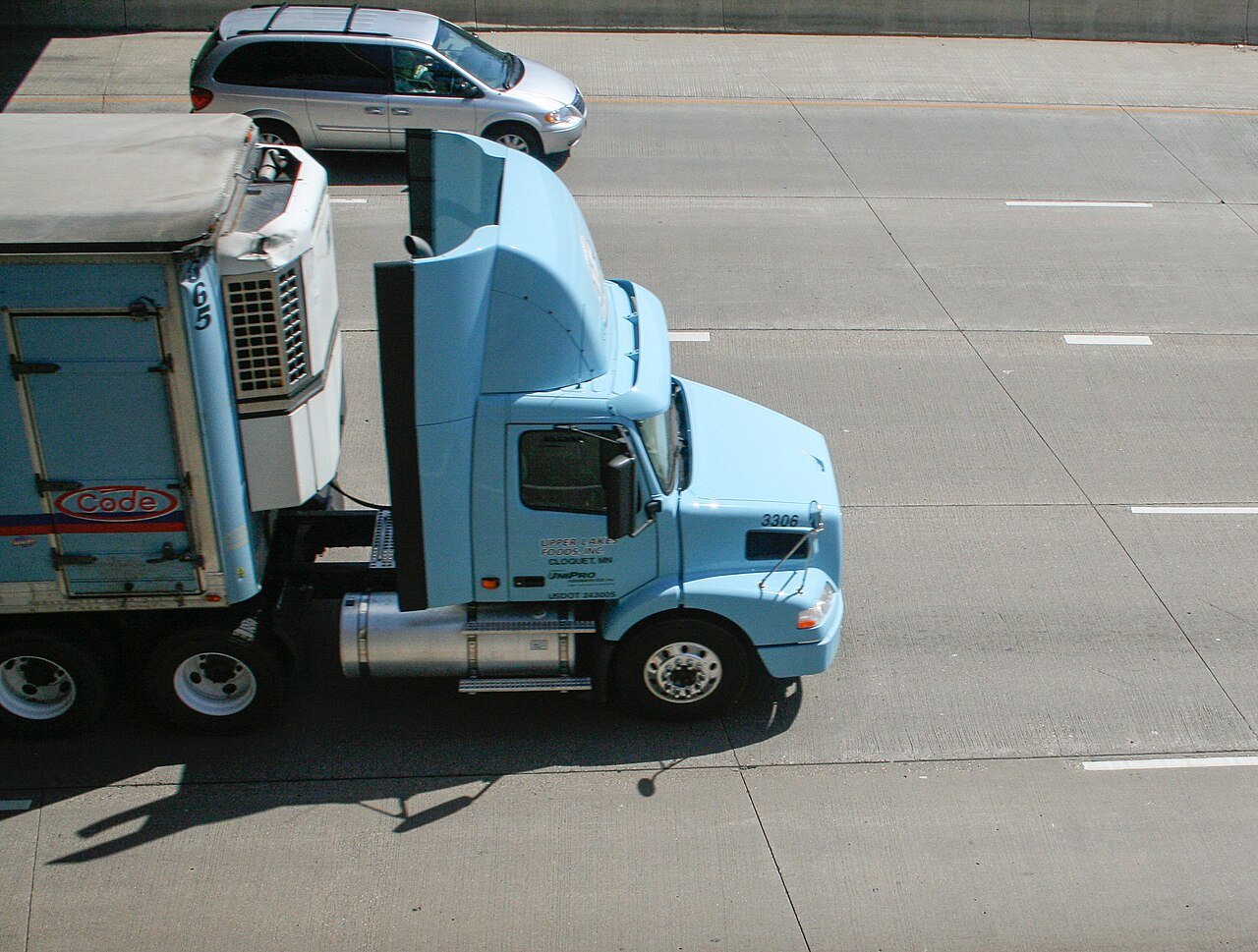
A new CDL-A driver can be fully qualified, drug-tested and road-tested and still be illegal to dispatch on day one. Hours of service compliance for new hires is the step many fleets treat as paperwork, yet it decides how soon a driver can roll, how their first loads are planned, and whether their logs pull your safety scores down. Here is what the rules require when a driver joins your fleet and how to build it into onboarding without slowing anyone down.
The hours of service limits every new hire must fit into
For property-carrying drivers, FMCSA's summary of the rules sets out the core limits: no more than 11 hours of driving after 10 consecutive hours off duty, no driving beyond the 14th hour after coming on duty, a 30-minute break after 8 cumulative hours of driving, and no driving after 60 or 70 on-duty hours in 7 or 8 consecutive days. A 34-hour off-duty period restarts the weekly clock. The sleeper berth option lets a driver split the 10 hours off, as long as one period is at least 7 consecutive hours in the berth and the other is at least 2 hours.
Note that 49 CFR 395.3 puts the obligation on you as well as the driver: no motor carrier may "permit or require" driving outside these limits. That matters most in the first week, when your dispatchers know the least about the driver's real hours.
Get the 7-day statement before the first dispatch
The rule most fleets miss sits in 49 CFR 395.8(j)(2). When you use a driver for the first time, or intermittently, you must get a signed statement from the driver showing their total time on duty during the previous 7 days and the time they were last relieved from duty before starting work for you.
This is not a formality. A driver who came straight off another carrier's truck may arrive with a large share of their 70 hours already used, and orientation classroom time, drug testing and road testing are all on-duty time too. Put the statement in your orientation packet, have it signed on day one, and enter those hours into the driver's ELD profile or your planning system before anyone builds the first load.
Worked example (assumed numbers): assume a new hire on your 70-hour/8-day schedule reports 48 on-duty hours in the previous 7 days, and spends 10 on-duty hours in your orientation. That leaves roughly 12 hours available until older days roll off, which may not cover a full first run. Planning a 34-hour restart before the first dispatch, or a short first load, avoids a violation in week one.
Train on your ELD, not just on the rules
Most new hires know the HOS limits. What trips them up is your specific device, your duty-status habits and your rules for edits. The data shows paperwork-style errors are the biggest problem. An analysis of FMCSA SMS data by Fleet Regulators covering inspections from September 2024 to September 2026 found 612,853 HOS violations across about 5.68 million HOS-relevant roadside inspections. Violations of the ELD sections of Part 395 made up 43.2% of them and record-of-duty-status violations another 41.9%, while breaking the actual driving limits in 395.3 accounted for 13.7%.
So build a short, hands-on ELD session into orientation:
- Log in, select the right truck and trailer, and certify daily logs.
- Change duty status correctly at shippers, receivers and fuel stops.
- Use personal conveyance and yard moves only under your written policy.
- Transfer ELD records to an officer at roadside.
- Know what to do when the device malfunctions, and carry the required instruction sheet and blank paper logs.
Know where small fleets get hurt
The same Fleet Regulators analysis found that carriers with 2 to 10 power units received 14.4 HOS violations per 100 HOS-relevant inspections, with 9.9% of inspections showing at least one. For carriers with 151 or more power units, the figures were 4.9 and 3.8%. Larger fleets usually have log auditors and set processes; small fleets often rely on the driver and the dispatcher. Every new hire is a fresh chance to bring in a bad habit, so the first 30 days of logs deserve a closer look.
HOS is also one of the most common reasons drivers get parked at roadside. In the CVSA 2026 International Roadcheck, HOS was the second most common driver out-of-service violation in the U.S. with 883 violations, or 23.2% of the total, and false records of duty status added another 214. ELD tampering, the focus of this year's event, produced 146 out-of-service orders across North America. A driver placed out of service in week one costs you the load, the customer's confidence and often the driver.
Audit the first 30 days of logs
A simple audit routine catches problems while they are still coaching issues, not violations:
- Daily in week one: check unassigned driving time, missed certifications and duty-status changes at stops.
- Weekly through day 30: compare logs to fuel receipts, toll records and delivery times. Your supporting documents must be kept for at least 6 months under 395.8(k), so they are already in your files.
- Every unexplained edit: ask why, and log the conversation in the driver file.
- Close-to-limit days: if a new driver keeps finishing at 10 hours 50 minutes of driving, the plan is too tight, not just the driver.
Keep the tone constructive. New drivers who feel trapped between dispatch pressure and their logs are the ones who either fudge them or quit.
Plan loads so drivers can stay legal and still earn
Drivers judge a carrier on miles and pay in the first few weeks, and HOS determines how many paid miles fit into a day. Plan the first loads with realistic appointment times, enough buffer for dock waits and clear instructions for what to do when a shipper runs late. When dispatchers ask a new hire to "make it work," they are asking them to choose between your schedule and their CDL.
Also keep an eye on federal changes. FMCSA says its two hours of service pilot programs finished pre-tests in 2026 and are set for a full launch in 2027. One would allow sleeper splits with at least 5 consecutive hours in the berth, and the other would let drivers pause the 14-hour window for up to 3 hours. Each pilot is expected to include 256 drivers, and a Federal Register notice on the split-sleeper study is open for comment until December 7, 2026. Until a driver is formally enrolled, the current rules apply to everyone, so don't let candidates or dispatchers treat the pilots as a rule change.
Key takeaways
- Get a signed statement of the previous 7 days' on-duty time and last release from duty before a new driver's first dispatch.
- Count orientation, testing and paperwork as on-duty time when planning the first load.
- Most HOS violations are log and ELD errors, so train drivers on your device, not just the limits.
- Small fleets show far higher HOS violation rates at roadside; audit new hires' logs closely for 30 days.
- Plan realistic first loads so new drivers can stay legal and still earn.
- The 2027 HOS pilots apply only to enrolled drivers; current rules still apply to your fleet.
When your team is stretched thin
Clean hours of service compliance starts with hiring drivers who have a solid logging record and then giving them a smooth first week. If your team doesn't have the time to source, screen and deliver qualified drivers while also running onboarding and log audits, handing off the recruiting side can free your safety and operations people to focus on keeping new hires legal and productive.
Photo: Robson Hatsukami Morgan, CC0, via Wikimedia Commons.
Know a CDL-A driver who deserves a better seat? Send them our way, it's free for drivers: Refer a driver.
Need CDL-A Drivers? We Recruit Them for You.
CDL Transportation Group finds, qualifies, and delivers CDL-A OTR company drivers all the way to your orientation. No retainers, no setup fees, and no ad spend on you — you pay $2,000 per seated driver, split into two $1,000 payments, backed by a replacement guarantee.
Tell us how many drivers you need →
CDL Transportation Group | CDL-A OTR Driver Recruiting