Hiring team truck drivers is one of the fastest ways to put more miles on the trucks you already own, but it is also one of the hardest recruiting jobs in the industry. You are not filling one seat; you are filling two seats with two people who have to share a cab for weeks and still want to work for you at the end of it. Get the team recruiting process right and a single truck can cover freight a solo driver legally cannot. Get it wrong and you lose two drivers at once.
The timing matters. The National Transportation Institute (NTI) reported in October 2026 that teams, especially established teams, are once again in great demand, and NTI's Leah Shaver wrote in FleetOwner that carriers made more driver pay changes in Q3 2026 than in any quarter since early 2022, with teams among the positions seeing increases. If you want teams in 2027, you are competing for them now.
Why teams are worth the extra recruiting effort
The business case comes straight from the hours-of-service rules. Under FMCSA's summary of the HOS regulations, a property-carrying driver may drive a maximum of 11 hours after 10 consecutive hours off duty and may not drive beyond the 14th hour after coming on duty. A solo truck has to stop when its driver does. A team truck keeps rolling while one driver uses the sleeper berth, which is why teams are the go-to answer for expedited, time-sensitive and long-lane freight.
Here is a simple worked example with assumed numbers (plug in your own): assume a solo truck on your network runs about 2,500 paid miles a week and a team truck on the same lanes runs about 5,000. If both trucks carry the same fixed costs for the payment, insurance and trailer, the team truck spreads those fixed costs over twice the miles. That is the upside. The trade-off is that you pay two drivers, and when a team quits you have two empty seats on one truck instead of one.
Decide what kind of team you are recruiting
Before you write a single ad, decide which of two hiring tracks you are running, because they need different messages:
- Pre-formed teams: two drivers who already run together or want to, often spouses, relatives or long-time friends. They decide jointly, so both people need to hear the offer and both need to say yes.
- Carrier-matched teams: solo drivers you pair up yourself. This widens your applicant pool, but compatibility becomes your problem. Werner, for example, describes a matching program that uses a short survey on schedule, experience and teammate preferences and lets drivers request a rematch if a pairing does not work, according to a sponsored article on Trucking Dive.
Many fleets recruit for both, but write separate job posts and separate screening scripts for each. A couple reading an ad built for matched solo drivers will assume you don't understand how they work.
Build a team pay package drivers can actually compare
NTI's Shaver points out in FleetOwner that a cents-per-mile rate is only as good as the miles behind it, and that drivers weigh weekly and annual earnings, guarantees, home time and the overall job. That advice applies twice over for teams, because each driver wants to know what lands in their own paycheck.
- Show pay per driver, not just per truck. If you pay the team as a unit, also show what that works out to for each person.
- Be honest about weekly miles. Quote a realistic range from your actual team trucks over the last few months, not your best week.
- Consider an early-tenure guarantee. NTI notes a renewed push on early-tenure pay guarantees and says turnover is especially high in a driver's first 120 days. A weekly minimum for new teams protects both drivers while they learn your lanes.
- Spell out what happens if the team splits. Will each driver keep a job as a solo? Will you rematch them? Put the answer in writing before day one.
Screen two drivers, then screen the pair
Each team member goes through your full qualification process on their own: application, MVR, PSP, Clearinghouse query, medical card and road test. A team is only as strong as its weakest record, so don't let a strong driver carry a weaker partner through screening.
Then add a screening step solo hiring doesn't need: the pair conversation. Ask both drivers, together and separately, how they split shifts, how they handle disagreements in the cab, who handles paperwork and fuel stops, and what each expects for home time. If their answers don't line up on the phone, they won't line up at 3 a.m. in Wyoming.
Equipment and home time make or break team retention
Two people living in one cab notice every flaw in the truck. Assign teams to equipment with a comfortable sleeper, working climate control and enough storage for two sets of gear. Ride quality matters more when one driver is trying to sleep while the other drives.
Home time is harder to manage for teams because both drivers often share one home, or live in two different places. Ask during recruiting where each driver lives and plan routing around it. Promising "flexible home time" and then routing a team away from both home bases is one of the quickest ways to lose two drivers in the same week.
Where to find team drivers
- Your own team drivers. Teams talk to other teams. NTI reports that referral incentives worth thousands of dollars are back in focus across the industry, and a team referral bonus paid at a retention milestone ties the reward to results.
- Your solo drivers. Some of your current solos may have a spouse or friend with a CDL-A who would team up if you offered the right lanes. Ask them.
- Team-specific job posts. Use "team" in the job title, list per-driver pay and weekly miles, and say whether you accept pre-formed teams, matched teams or both.
- Displaced drivers. When carriers shut down, established teams sometimes come onto the market together. Move quickly; NTI notes fleets are already working harder to reach drivers who aren't actively looking.
Key takeaways
- Team trucks can keep moving while one driver rests in the sleeper berth, which lets you run freight a solo driver cannot under the HOS limits.
- Decide whether you are recruiting pre-formed teams, matched teams or both, and market to each separately.
- Show pay per driver, realistic weekly miles and an early-tenure guarantee if you can afford one.
- Qualify each driver individually, then interview the pair about how they will work together.
- Plan equipment, home time and a written split policy before the team starts.
When your recruiters are stretched thin
Team hiring doubles the screening, the paperwork and the orientation logistics for every truck you fill. If your recruiting team is already busy keeping solo seats filled, handing part of the search to an outside recruiting partner can free your people to focus on matching, onboarding and keeping the teams you bring in.
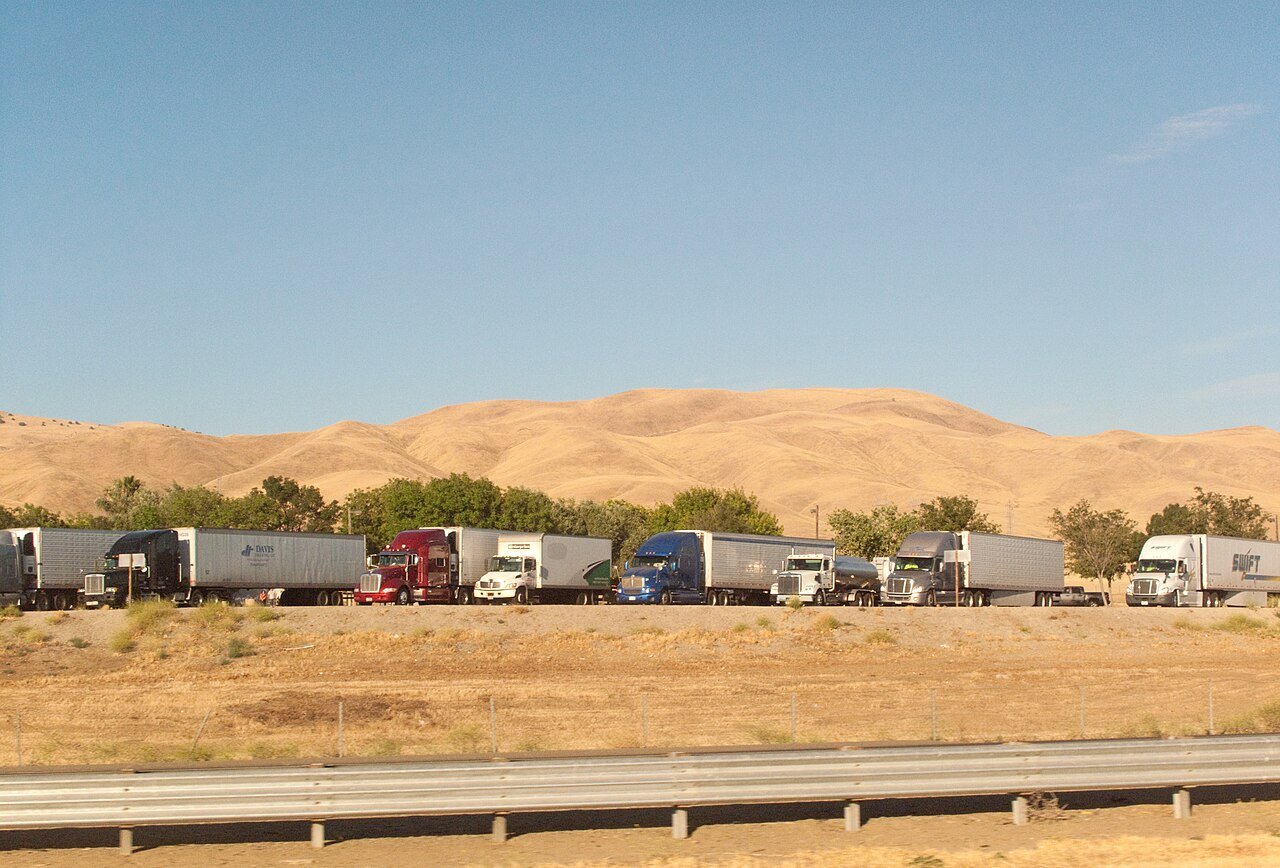
Photo: Arne Hückelheim, CC BY-SA 3.0, via Wikimedia Commons.
Know a CDL-A driver, or a driving team, ready for a new carrier? Point them our way: Refer a driver.
Need CDL-A Drivers? We Recruit Them for You.
CDL Transportation Group finds, qualifies, and delivers CDL-A OTR company drivers all the way to your orientation. No retainers, no setup fees, and no ad spend on you — you pay $2,000 per seated driver, split into two $1,000 payments, backed by a replacement guarantee.
Tell us how many drivers you need →
CDL Transportation Group | CDL-A OTR Driver Recruiting