Hiring new CDL school graduates can fill empty seats when experienced drivers are scarce, but it only pays off if you screen and onboard them differently. Since February 2022, federal entry-level driver training (ELDT) rules have changed how every new Class A driver gets licensed, and a carrier that understands them can hire graduates with fewer surprises and fewer early quits.
What ELDT changed for new CDL-A drivers
The FMCSA Training Provider Registry (TPR) is the list of schools and other entities approved to deliver ELDT. Anyone getting a Class A or Class B CDL for the first time, upgrading from Class B to Class A, or adding a school bus, passenger or hazmat endorsement for the first time must complete training from a registered provider before taking the skills test (or the hazmat knowledge test). States check the registry before they test the applicant. There is no minimum number of hours: the rule requires theory instruction and behind-the-wheel training until the provider judges the student proficient.
According to the FreightWaves breakdown of the rule, Class A theory covers 30 topic areas with an 80% passing score, and Class A behind-the-wheel training covers 19 areas. That is a floor, not a guarantee of road readiness, which is why your own evaluation still matters.
What you do (and don't) have to verify as the hiring carrier
The verification duty sits with state licensing agencies, not with you. As a general rule, a valid CDL is your evidence that a driver completed the required training, so ELDT does not add a new DQ-file document for most carriers. Confirm the details with your compliance advisor, but the practical point is simple: your normal qualification steps (MVR, PSP, Clearinghouse query, road test, medical card) still apply to every new graduate exactly as they do to veterans.
The exception is carriers that train their own people. If you provide training or help candidates earn a CDL, often as part of onboarding, FreightWaves reports you must register on the TPR, certify compliance, and report each student's completion within two business days. Trainers must hold the right CDL and have two years of driving or instruction experience, and records are generally kept for three years. If you run a company-sponsored CDL program, treat it as a regulated training operation, not a perk.
Why the school matters more than the certificate
The registry is large. Its homepage reported more than 1.9 million drivers trained since February 2022 and roughly 18,000 active providers at the time of our review, so quality varies widely. A September 2026 J.J. Keller report says FMCSA is continuing investigations of listed providers, focusing on documentation, whether programs are actually "training ready," and internal controls. A provider can receive a Notice of Proposed Removal if it falls short. Being listed does not prove a program is strong.
For you, that means judging graduates on what they can demonstrate, and building relationships with a few schools whose graduates keep showing up prepared.
How to screen a new graduate in 30 minutes
- Ask about the training itself: how many hours behind the wheel, on what equipment (manual or automatic), and how many of those hours were on public roads versus a yard.
- Run the standard checks first: MVR, PSP, a pre-employment Clearinghouse query and a valid medical certificate, before you spend time on orientation travel.
- Do a structured road test: pre-trip inspection, backing, shifting or braking habits, lane changes and following distance. Score it on paper so you can compare graduates fairly.
- Check attitude toward being coached: a graduate who asks questions and accepts correction is easier to develop than a confident one who argues with your trainer.
Set the role and pay honestly
New graduates stay when the first weeks match what they were told. Say plainly whether the job is a trainer-truck program, how many weeks of pairing to expect, what the pay is during training, and when it moves to full per-mile pay. Vague promises on pay or home time are the fastest route to an early quit, the same problem covered in our guide on pay predictability and home time.
Plan the first 90 days around a new driver
A graduate has logged few miles on their own, so give them structure that an experienced hire would find unnecessary:
- Pair them with a trainer who has been vetted for patience and safe habits, not just seniority.
- Schedule check-ins in week one, week two and every two weeks after, and have a dispatcher assigned who is known to treat new drivers well.
- Choose early loads and lanes deliberately: avoid tight docks, mountain winter routes or unfamiliar big cities in the first weeks when you can.
- Define the milestones that release them to a solo truck, so the goal is clear and measurable.
Our 90-day retention plan covers the cadence in more detail.
Decide whether graduates fit your fleet at all
Graduates are not right for every carrier. Insurance underwriting, your safety record and your trainer capacity all limit how many you can seat. As a worked example with assumptions, not benchmark data: if you can safely support one trainer-truck pairing at a time and each pairing takes eight weeks, you can onboard roughly six graduates a year per trainer. Count your trainers before you plan graduate hiring volume, and ask your insurer about its requirements for drivers with under a year of experience.
Key takeaways
- ELDT applies to first-time Class A, B, and endorsement applicants; states verify training, and a valid CDL is your normal evidence.
- If you train your own drivers, you must register on the TPR, report completions within two business days, and keep records.
- Registry listing does not prove quality; test every graduate with a structured road test.
- Run the same MVR, PSP and Clearinghouse checks on graduates as on experienced hires.
- Be honest about training pay and trainer pairing, and build a milestone-based first 90 days.
- Limit graduate hiring to the number of trainers and the insurance coverage you actually have.
When recruiting capacity is the bottleneck
Screening graduates, calling every applicant back quickly and getting them to orientation takes recruiter hours that many small fleets do not have. If your team cannot run all of this alongside dispatch and safety, handing the sourcing and qualifying to an outside recruiter can keep seats full while you focus on training and retention.
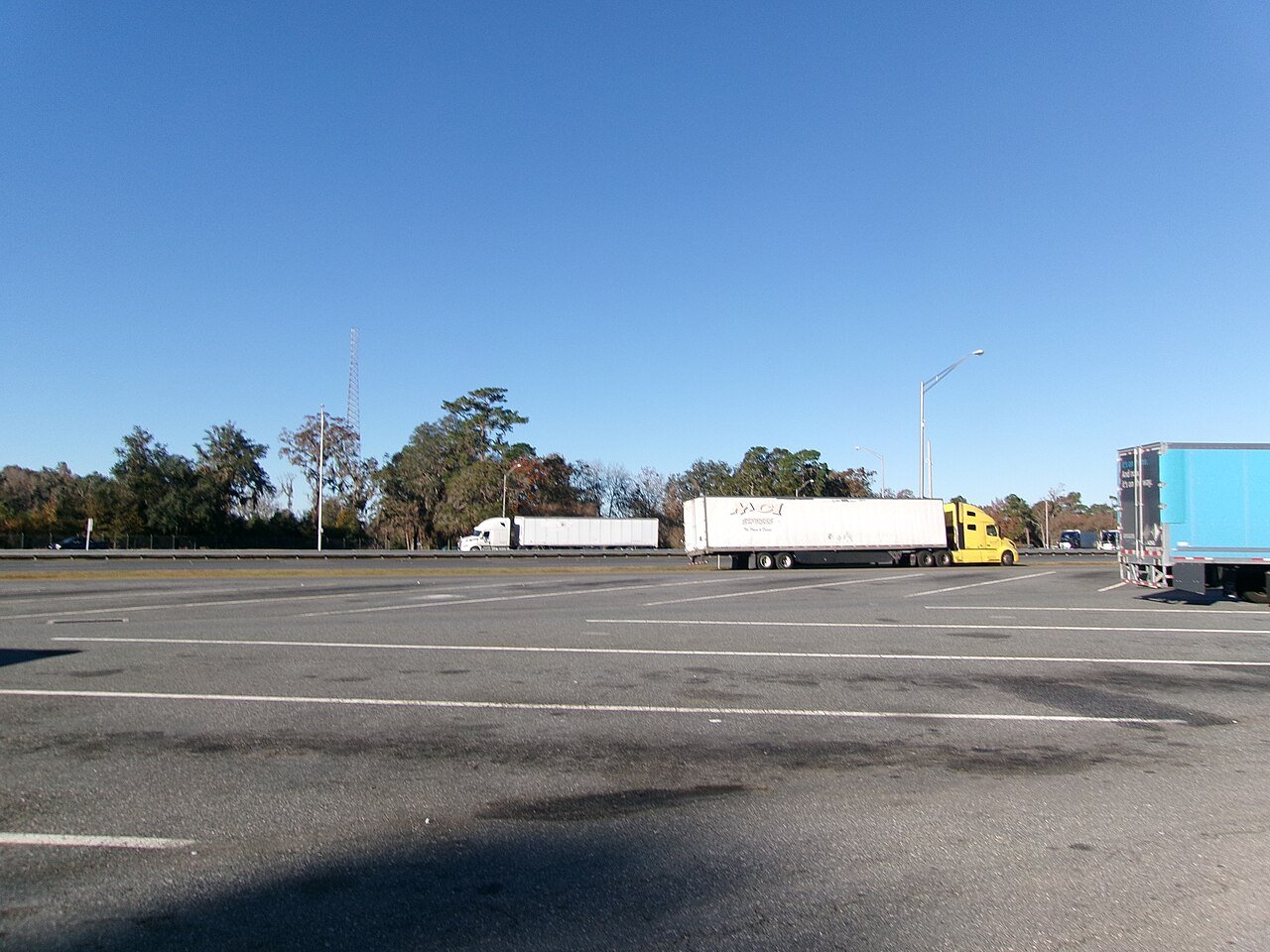
Photo: Jason Lawrence, CC BY 2.0, via Wikimedia Commons.
Need CDL-A Drivers? We Recruit Them for You.
CDL Transportation Group finds, qualifies, and delivers CDL-A OTR company drivers all the way to your orientation. No retainers, no setup fees, and no ad spend on you — you pay $2,000 per seated driver, split into two $1,000 payments, backed by a replacement guarantee.
Tell us how many drivers you need →
CDL Transportation Group | CDL-A OTR Driver Recruiting