For the first time in 12 weeks, the price at the diesel pump went down instead of up. It is not a crash, and you should not plan your month around it, but after a summer of watching fuel eat your check, a drop is worth understanding.
What the numbers say
According to the U.S. Energy Information Administration, the national average for on-highway diesel was $6.382 a gallon in the September 28 update. That is down 14.7 cents from $6.529 the week before, which was the highest weekly figure of 2026 so far.
It ended a streak of 11 straight weekly increases that began the week of July 13, when diesel averaged $4.796. As Logistics Management reported, that climb added about $1.73 a gallon in under three months. You are still paying roughly $2.63 more per gallon than at this time last year.
Why prices are still so high
The drop does not fix the underlying problem. Logistics Management points to the conflict with Iran limiting global energy supplies, plus Ukrainian attacks on Russian refineries hurting fuel production. It also reports that U.S. diesel inventories were extremely tight, with August stocks the lowest since 1982 and East Coast inventories at a record low of 19.3 million barrels.
Crude has eased a little. Transport Topics, citing market data on September 29, said Brent crude fell 1.8% to $96.10 a barrel. That is still well above the roughly $72 a barrel it traded at before the war with Iran. Thin inventories mean a small supply hiccup can push diesel right back up.
Where the pain is worst
Region matters a lot. EIA's regional figures show California at $8.181 a gallon and the West Coast average at $7.357. The Gulf Coast was the cheapest region in the EIA summary at $5.955, and other outlets put the Lower Atlantic near $5.95. The Midwest was around $6.53.
That gap, more than $2 a gallon between California and the Gulf, is big enough to change where you fuel. On a truck getting 6.5 miles per gallon, a 1,000-mile leg burns about 154 gallons. Filling in a cheaper state instead of the most expensive one can be a real difference in what you keep per trip.
What a 15-cent drop is worth
Do the math on your own miles. A truck averaging 6.5 miles per gallon and running 2,500 miles a week burns roughly 385 gallons. A 14.7-cent drop saves you about $57 a week at the pump, and only if your fuel price actually follows the national average. That is real money, but it is small next to the $1.73 a gallon that came before it, which on the same 385 gallons is about $667 a week more than in mid-July.
That is why the drop should not change your plans, only sharpen them. If you are a company driver, fuel is your carrier's cost, but it shapes the pay raises, bonuses and surcharge policies you will see this fall. If you are an owner-operator, every gallon comes out of your pocket first.
Questions to ask your carrier
- How is the fuel surcharge calculated, and how often does it update?
- Is there a fuel card network, and what discount do drivers actually get?
- Does the carrier route or suggest fuel stops to help control costs?
Good carriers answer these plainly. If you get vague answers, treat that as information.
How to use a small dip wisely
- Plan your fills. Top off before entering high-priced states and buy the bulk of your fuel where it is cheapest along your route. Check today's diesel prices and truck stop map before you roll.
- Use your fuel card discounts. If your carrier has a fuel network, the discount at the right stop can beat a cheaper posted price down the road.
- Don't chase pennies. Driving 20 miles out of route for a few cents burns the savings and your hours.
- Watch your idle time and speed. At these prices, every gallon wasted idling costs more than it did a year ago.
- Ask about fuel surcharge. If you are an owner-operator, confirm your fuel surcharge is keeping up with the real price of fuel, not last month's.
Don't cut corners on fuel
High prices tempt some people toward shortcuts. One to avoid: dyed (red) diesel is sold without the motor fuels tax and generally cannot be used on public roads. Inspectors can check fuel in a truck's tank, and the penalties, which can include fines plus back taxes, cost far more than you would save. Check your state revenue or IRS guidance if you have questions.
What this means for you
One weekly dip is a data point, not a trend. Tight inventories and a volatile global situation mean prices could rise again. Treat the drop as a small break, not a reason to relax.
- Expect fuel to stay well above last year's levels for now.
- Check your fuel surcharge or per-mile pay against the current price.
- Fuel smart: plan stops by price, use discounts, and keep your truck running efficiently.
- Check the EIA update every Monday to see whether the trend holds.
Watch the weekly numbers, plan your stops, and keep more of every mile you run.
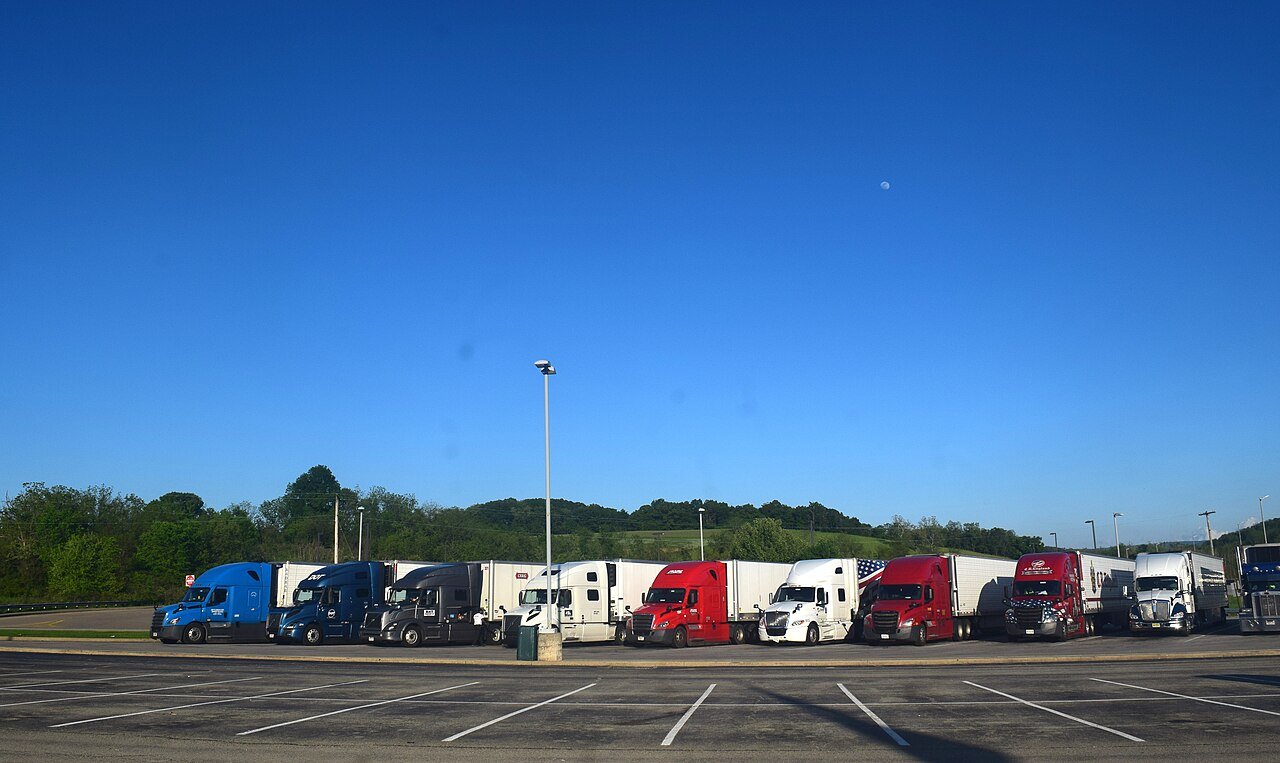
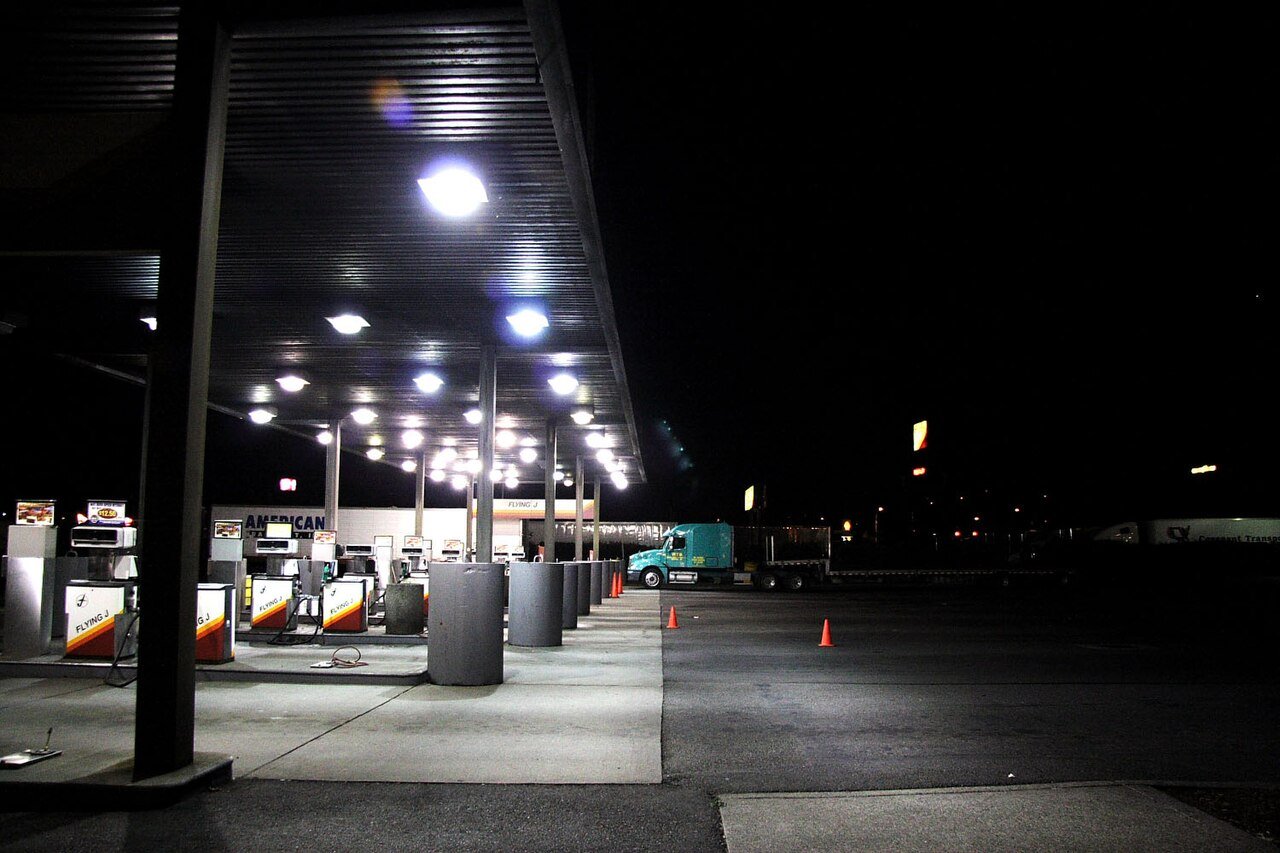
Photo: Robert F. W. Whitlock, CC BY 2.0, via Wikimedia Commons.
Free for CDL-A drivers: get our Job Offer Checklist — 23 questions to ask any carrier about pay, miles and home time before you sign. Download the free checklist →
Know a CDL-A driver looking for work? Refer them and earn $500 when they complete 30 days on the road. Refer a driver →
CDL Transportation Group | CDL-A OTR Driver Recruiting