Every truck in your yard without a driver still has a payment due, an insurance policy running and a plate that's already paid for. It just isn't earning anything. Most fleet owners know an empty truck is expensive, but few put an actual weekly number on it. Here's how to work out what an empty truck costs, using 2026 industry data and a worked example you can adapt to your own fleet.
The 2026 benchmark: record costs, thin margins
The American Transportation Research Institute's latest Operational Costs of Trucking report (released July 2026) puts the average cost to run a truck at a record $2.336 per mile in 2025, up 3.4% from the year before. Excluding fuel, costs rose 4.2%. At the same time, truckload and refrigerated carriers in the study ran operating margins below 1%, and flatbed carriers averaged a small operating loss.
Two other findings matter for hiring. The carriers ATRI surveyed cut their truck counts by 2.4%, yet they still had about 10% of their trucks unseated on average. In a 20-truck fleet, that's two tractors sitting still. And according to Heavy Duty Trucking's coverage of the report, driver turnover among the fleets surveyed was 44.2% in 2025. It improved from 48% but is still high enough to keep reopening seats.
With margins that thin, an idle truck isn't a small drag on profit. It can be the difference between making money and losing it.
Step 1: Add up the costs that keep running when the truck is parked
ATRI reports costs per mile. Some of those costs only happen when the truck moves, like fuel, tires and driver wages. Others are really fixed costs spread across the miles driven, and they keep coming whether the truck rolls or not. According to a line-item summary of the 2025 figures, the main ones are:
- Truck and trailer payments: $0.404 per mile
- Insurance premiums: $0.106 per mile
- Permits and licenses: $0.008 per mile
To turn these into weekly dollars, you need miles per truck. ATRI data cited by FleetOwner puts average use at about 86,000 miles per truck in 2025. That's roughly 1,650 miles a week. Multiply it out:
- Truck and trailer payments: about $34,700 a year, or $668 a week
- Insurance: about $9,100 a year, or $175 a week
- Permits and licenses: about $13 a week
That's roughly $857 a week, or about $122 a day, going out for a truck that isn't earning. This is an estimate based on industry averages. Your own number could be higher (a newer truck, a higher insurance rate) or lower (equipment that's paid off). Parking, ELD and telematics subscriptions and the recruiter time spent filling the seat all add to it.
Step 2: Count the revenue and contribution you lose
Fixed costs are only half of it. The bigger hit is the freight that truck would have hauled. For a worked example, assume your truck earns $2.40 per total mile (loaded plus empty miles). That's just above ATRI's $2.336 average cost, which fits the thin margins the report describes. Put your own rate in here.
- Revenue not billed: 1,650 miles × $2.40 = about $3,960 a week
- Costs you avoid while parked: driver wages ($0.818), benefits ($0.210), fuel ($0.482), repair and maintenance ($0.215), tires ($0.050) and tolls ($0.043). That's $1.818 per mile, or about $3,000 a week.
- Lost contribution: about $960 a week. This is the money that truck would have put toward covering your fixed costs and profit.
Put another way: when the truck is seated, in this example it roughly covers its own fixed costs and leaves about $100 a week of profit. When it's empty, you're about $857 a week in the red on that unit. The gap between the two is about $960 a week, or roughly $3,800 for every month the seat stays open. At these margins, a single empty truck can wipe out the profit of several seated trucks.
Step 3: Add the cost of turnover itself
Empty seats usually come from turnover, and replacing a driver has its own costs: advertising, recruiter hours, drug tests and physicals, MVR and background checks, orientation pay, travel and training. The best-known industry study, by the Upper Great Plains Transportation Institute for the Truckload Carriers Association, put the average cost to replace a truckload driver at $8,234. That figure is from 2000, and today's recruiting, screening and wage costs are far higher, so read it as a floor, not a current estimate.
Here's how it plays out in a hypothetical 20-truck fleet at ATRI's 44.2% turnover rate. You'd replace about 9 drivers a year. At even the 2000-era replacement cost, that's about $74,000. If each departure also leaves the truck empty for three weeks, add about 27 lost truck-weeks at $960 each, or roughly $26,000 more. That comes to about $100,000 a year, before you count the time and attention you lose to constant hiring.
How to cut the number in your own fleet
- Track "days unseated" per truck. Log the date a truck loses its driver and the date the replacement dispatches. If nobody measures it, nobody owns it.
- Calculate your own weekly empty-truck cost. Use your actual truck payment, insurance, rate per mile and miles per week. Share it with your recruiters and dispatch so everyone knows what an open seat is worth.
- Shorten the time from application to orientation. Contact applicants the same day, order MVR, PSP and Clearinghouse queries right away, and book orientation travel as soon as the driver qualifies. Drivers who wait usually take another offer.
- Protect the first 90 days. Early departures are the most expensive kind, because you've paid the full hiring cost and gotten few loaded miles in return. Set clear pay and home-time expectations, and assign a dispatcher who calls back.
- Size your hiring budget against the real cost. If an empty truck costs you about $960 a week, spending more to fill a seat a few weeks sooner can pay for itself. Compare cost per hire to cost per empty week, not just to last year's ad budget.
Key takeaways
- ATRI puts 2025 operating costs at a record $2.336 per mile, with truckload margins below 1%.
- Surveyed fleets still had about 10% of their trucks unseated, even after cutting capacity.
- Payments, insurance and permits alone come to roughly $857 a week per parked truck at industry-average use.
- In our example, lost contribution is about $960 a week, or about $3,800 a month per empty seat.
- Turnover multiplies the cost: every departure brings replacement costs plus weeks of lost earnings.
When recruiting becomes a full-time job
Filling seats quickly takes constant ad management, fast follow-up, screening and orientation logistics. For many small and mid-size fleets, that falls on an owner or safety manager who already has a full-time job. If your team doesn't have the time to run all of this every week, outsourcing some or all of your driver recruiting may cost less than the weeks your trucks spend parked. Run your own empty-truck number first, then compare.
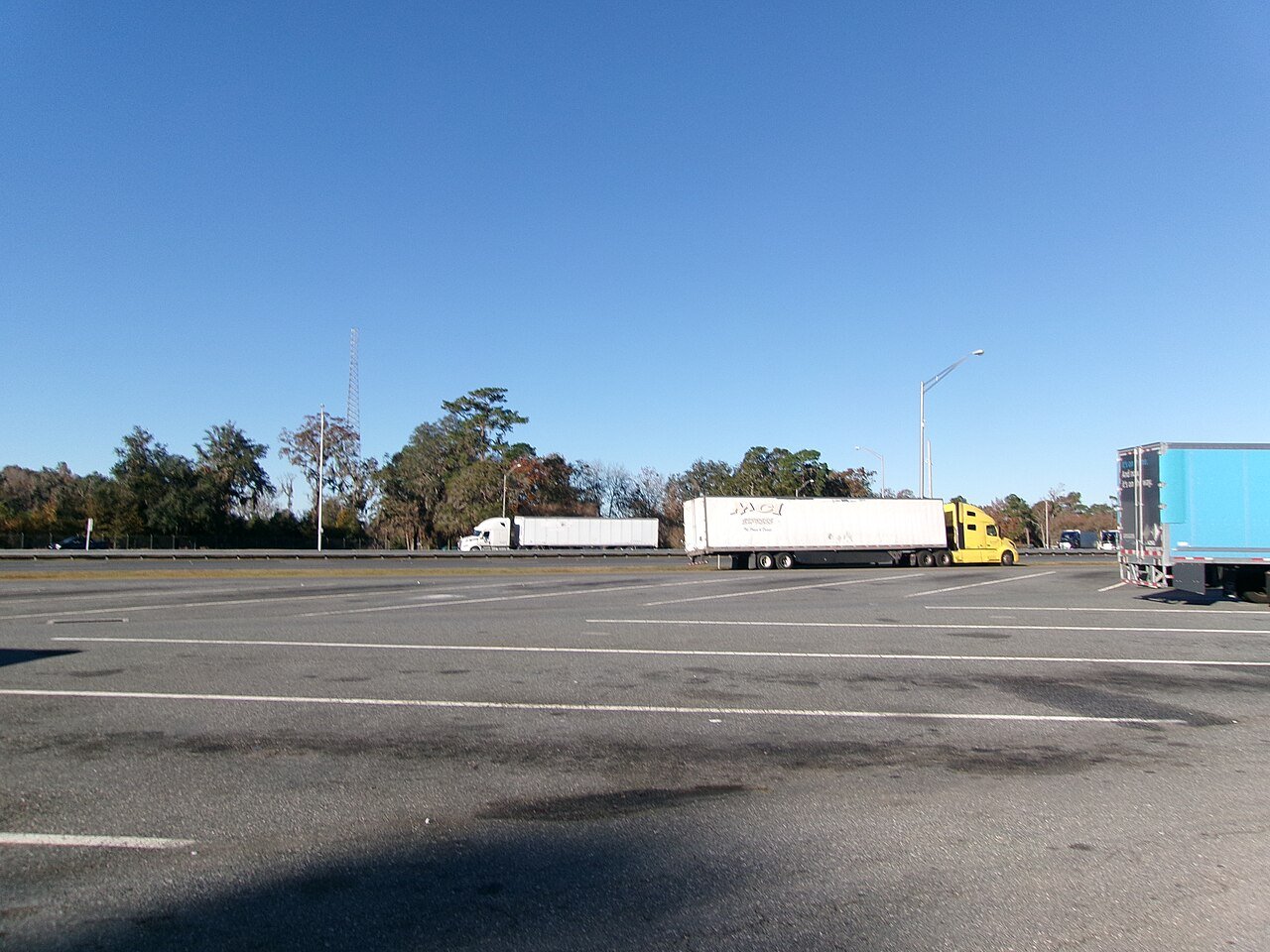
Photo: DanTD, CC BY 4.0, via Wikimedia Commons.

Need CDL-A Drivers? We Recruit Them for You.
CDL Transportation Group finds, qualifies, and delivers CDL-A OTR company drivers all the way to your orientation. No retainers, no setup fees, and no ad spend on you — you pay $2,000 per seated driver, split into two $1,000 payments, backed by a replacement guarantee.
Tell us how many drivers you need →
CDL Transportation Group | CDL-A OTR Driver Recruiting