Most recruiters lose CDL-A applicants on the first call, not in the background check. A rushed or unfocused truck driver phone screen either lets in drivers who will never pass your safety or insurance standards, or it drags on so long that a good driver takes another fleet's offer while you are still asking questions. A tight, consistent screen fixes both problems.
Speed matters before the call even starts. Tenstreet's analysis of its platform data found that carriers who respond to an application within five minutes saw a 6.2% hiring rate, nearly double the 3.7% platform average, and that hiring rates fell by up to 50% when the process ran past the typical 10 to 15 days. Randall Reilly reports that drivers are usually talking to 6 to 8 other fleets during a job search. Your phone screen has to be fast, short and decisive.
What the phone screen is (and isn't) for
The phone screen has one job: decide in 10 to 15 minutes whether this driver is worth moving into your full DOT application and verification process. It does not replace the application required by 49 CFR 391.21, the MVR, the PSP report, the Clearinghouse query or the previous-employer investigation. Those still happen, on paper and in your systems, for every hire.
What the call does is catch the obvious mismatches early, such as experience, endorsements, home-time needs, location or a recent violation your insurer won't accept, so your recruiters spend their verification time on drivers who can actually be seated. It is also the first real conversation a driver has with your company, so it doubles as your sales pitch.
Write down your hiring criteria first
You can't screen consistently against criteria that live only in someone's head. Before you script any questions, put these on one page and give it to every recruiter:
- Minimum verifiable CDL-A experience and the equipment you run (dry van, reefer, flatbed, tanker).
- Required endorsements, such as hazmat or tanker, if any.
- Your insurer's limits on moving violations, preventable accidents and gaps in employment.
- Hiring areas you can actually route drivers home from.
- The real offer: pay range, typical weekly miles, home time and the equipment the driver will get.
Each criterion becomes a knock-out question. If the answer fails a hard requirement, the call ends politely and the driver is told why. That saves both sides time and protects your reputation in a market where drivers talk.
10 questions for a CDL-A phone screen
Ask them in this order. The first five are knock-outs; the last five tell you whether the driver will stay.
- "How long have you held your Class A CDL, and how much of that time have you been driving full time?" Licensing date and actual seat time are not the same thing.
- "What equipment have you run, and which endorsements do you have?" This matches the type-of-equipment detail the DOT application asks for under 391.21(b)(6).
- "Any moving violations or accidents in the last three years?" The federal application covers the past three years of accidents and convictions. Ask the same question now so the MVR holds no surprises.
- "Has your license ever been suspended, revoked or denied?" The application requires a statement on this either way, so ask it on the call too.
- "Walk me through your last three years of employers. Why did you leave each one?" Section 391.21 requires this history, plus up to seven more years of CMV employers for CDL drivers. Job-hopping is common in trucking, but unexplained gaps and vague reasons deserve follow-up.
- "What does your ideal home-time schedule look like?" If your lanes can't deliver it, say so now. A mismatch here is one of the fastest routes to an early quit.
- "What weekly take-home are you aiming for?" Compare it with what your drivers in that seat actually earn, not your best-case number.
- "What made you start looking, and what would make you stay somewhere for years?" The answer tells you what to emphasize and what promise you must keep.
- "Where would you start from, and when could you attend orientation?" This sets up orientation travel and tells you how quickly you need to move.
- "What questions do you have for me?" Strong candidates ask about miles, dispatch and equipment. Answer them honestly.
Questions your recruiters should never ask
A phone screen is still a job interview, and federal equal employment rules apply. The EEOC says employers can't ask applicants about a disability, the medications they take, or past workers' compensation claims before a job offer. Its enforcement guidance explains that disability-related questions and medical exams are generally allowed only after a conditional offer, and only if everyone entering that job is asked. You can ask about licenses, certifications, work history and whether the driver can perform specific job tasks.
In practice, train recruiters to keep health topics out of the screening call and leave the DOT physical and medical certification to your normal post-offer process. Also skip questions about age, religion, national origin, marital status or children. None of them predicts whether someone will run safely and stay, and they create legal risk. Run your script past your employment counsel once and then stick to it.
Make the call fast and repeatable
- Call immediately, and more than once. Double Nickel recommends calling within one minute, again within five minutes, and following up within 24 hours with a call plus a text.
- Cover nights and weekends. Randall Reilly cites research that 35% to 50% of driver applications arrive after hours or on weekends. An instant text with a link to book a call keeps those leads from going cold.
- Use the same scorecard every time. Record each answer as pass, fail or verify. That makes screens comparable across recruiters and shows you which question knocks out the most drivers.
- Send the full application before you hang up. A driver who passes should get the DOT application link on the call, with a clear next step and a date.
Measure what the screen is doing
Track three numbers each month: the share of screened drivers who pass, the share of passed drivers who complete the full application, and the share of completed applications that reach orientation. Double Nickel suggests using the completed application as your main denominator and following each weekly group of applicants through to an outcome, because that shows where the funnel actually leaks.
Here is a worked example with assumed numbers, not benchmarks. If your recruiters screen 40 drivers a month, 15 pass, 10 complete the application and 4 reach orientation, the biggest drop is between the screen and orientation. Look there first, at verification delays, slow offers or travel booking, before you buy more leads. If only 5 of 40 pass the screen, your ads are probably attracting the wrong drivers, and the fix belongs in your job posting.
Key takeaways
- A truck driver phone screen should take 10 to 15 minutes and decide one thing: whether to move the driver into full DOT verification.
- Write your hiring and insurance criteria down first, then turn them into knock-out questions.
- Mirror the 49 CFR 391.21 application topics (experience, violations, suspensions, employment history) so verification holds no surprises.
- Keep disability, medical and other protected topics off the call. The DOT physical belongs after the offer.
- Respond within minutes, cover after-hours leads, and track pass and completion rates to find where drivers drop out.
When screening eats your recruiters' week
Running fast first calls, follow-ups and consistent scorecards for every lead takes real hours, and in a small fleet those hours usually come out of dispatch or safety. If your team doesn't have the time to call every applicant within minutes and walk qualified drivers all the way to orientation, handing that front-end work to a dedicated recruiting partner can keep seats filled without adding headcount.
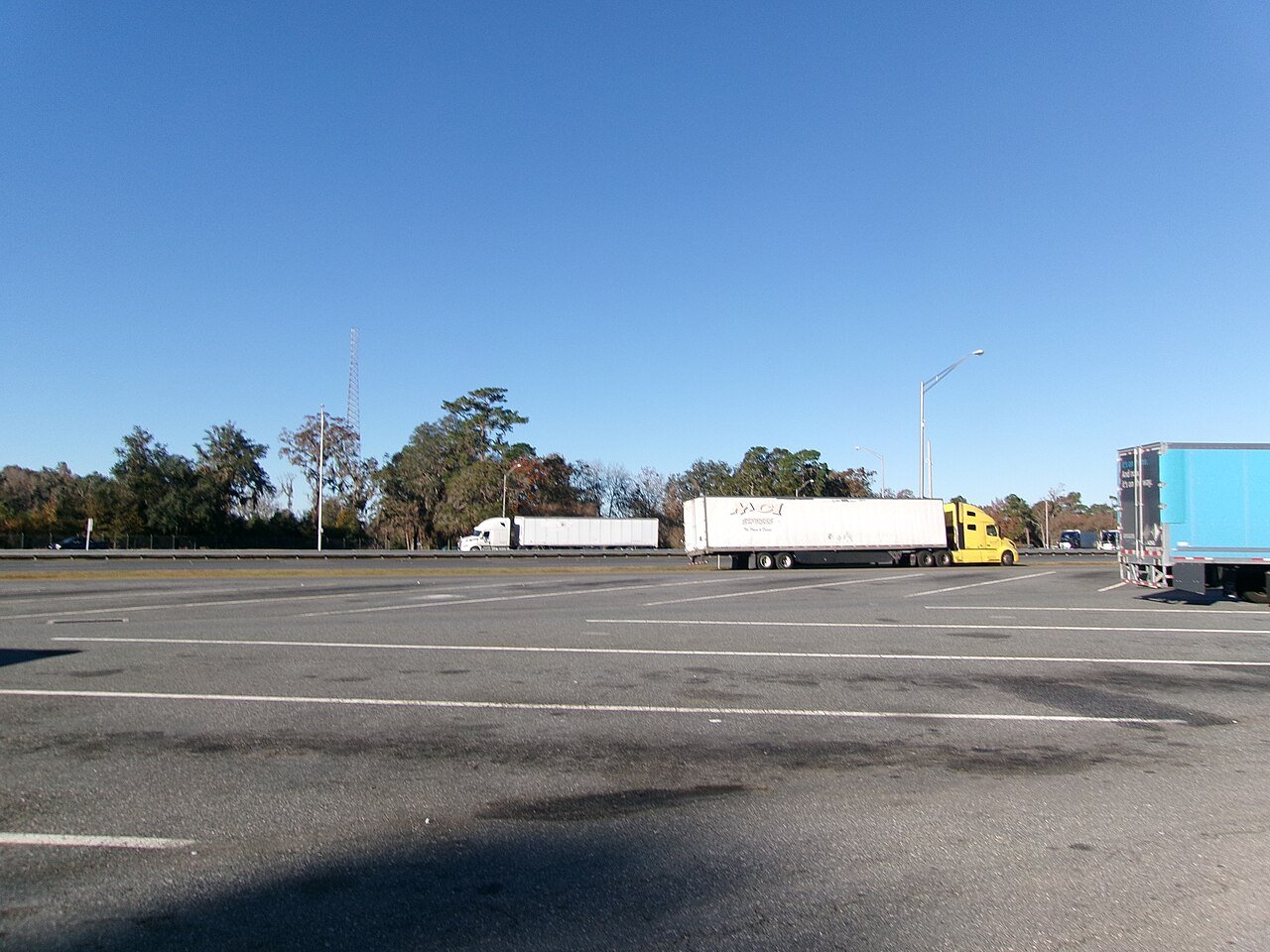
Photo: Tony Webster, CC BY 2.0, via Wikimedia Commons.
Know a CDL-A driver who deserves a better seat? Send them our way, it's free for drivers: Refer a driver.
Need CDL-A Drivers? We Recruit Them for You.
CDL Transportation Group finds, qualifies, and delivers CDL-A OTR company drivers all the way to your orientation. No retainers, no setup fees, and no ad spend on you — you pay $2,000 per seated driver, split into two $1,000 payments, backed by a replacement guarantee.
Tell us how many drivers you need →
CDL Transportation Group | CDL-A OTR Driver Recruiting